
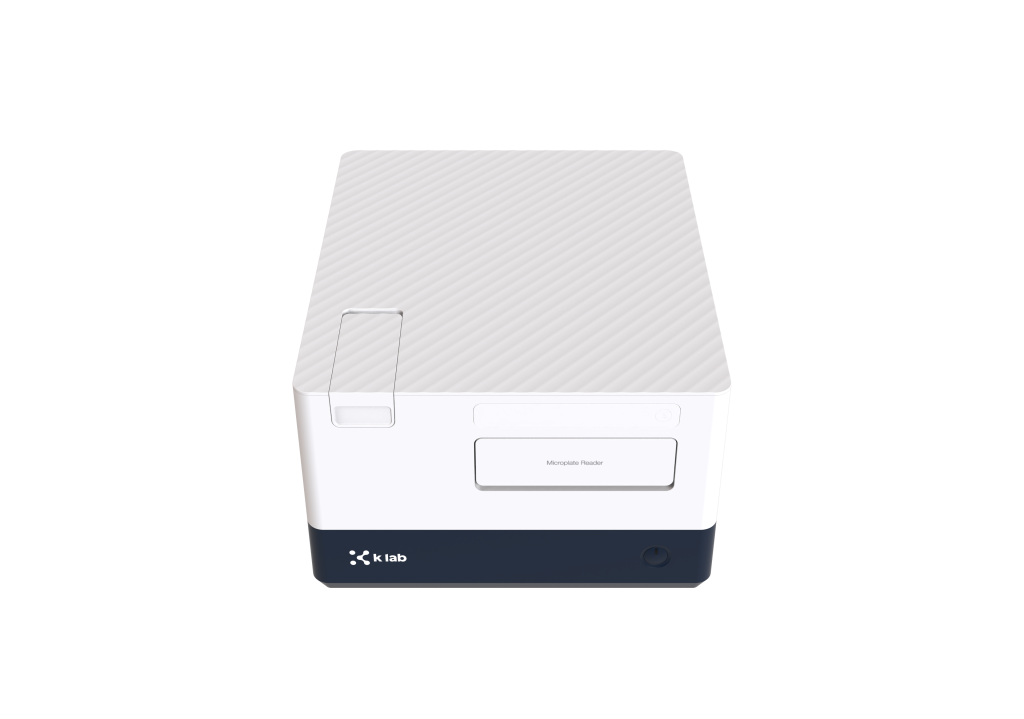
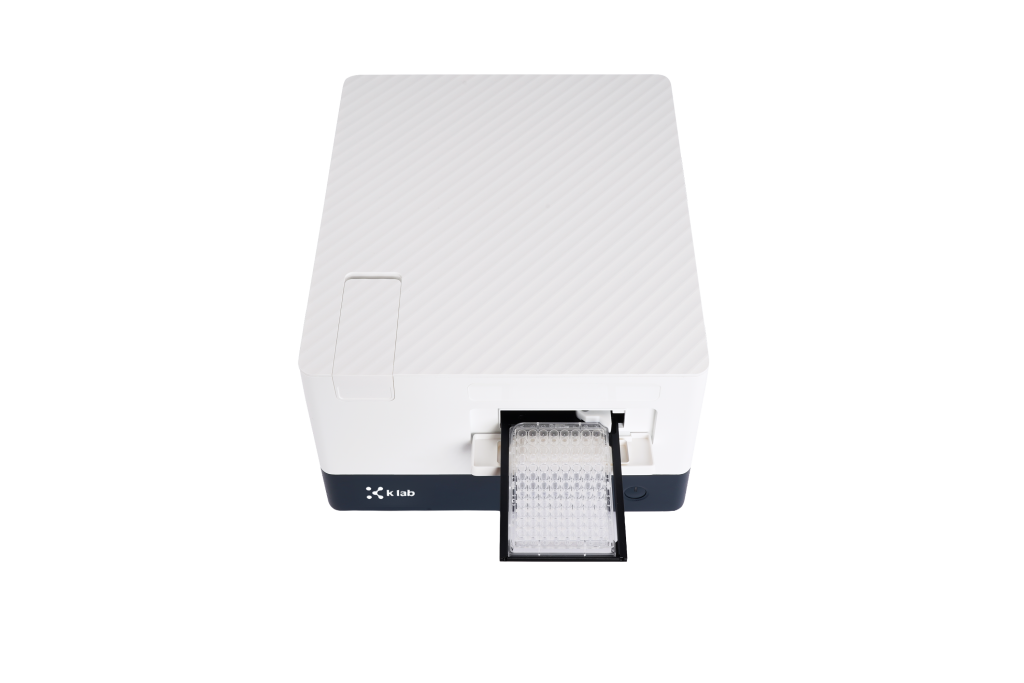
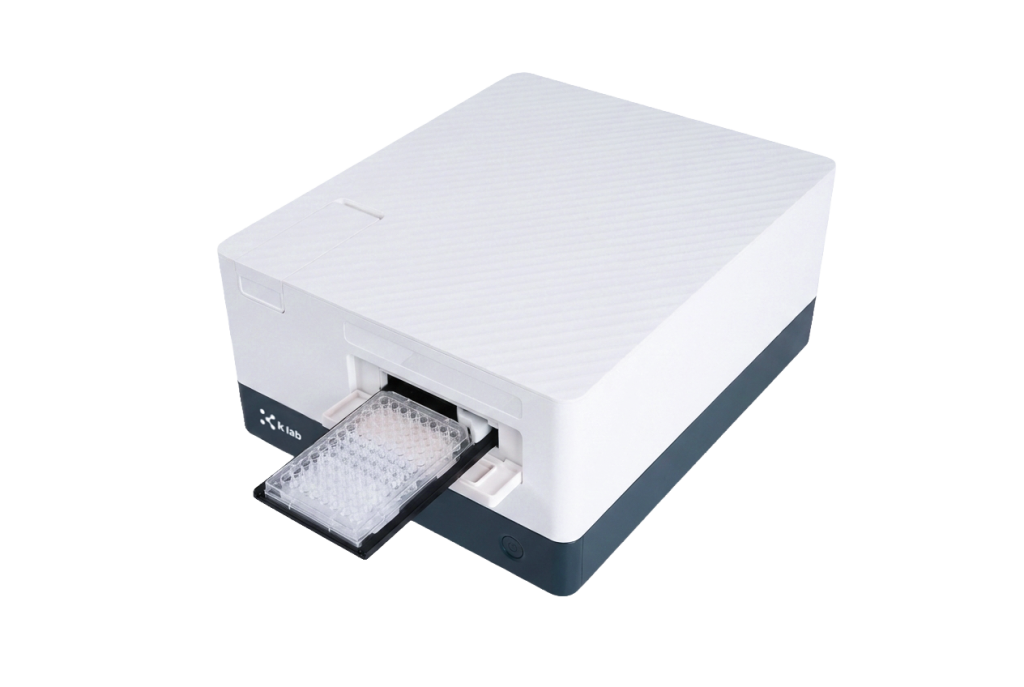
MRX Series
(Microplate Reader)
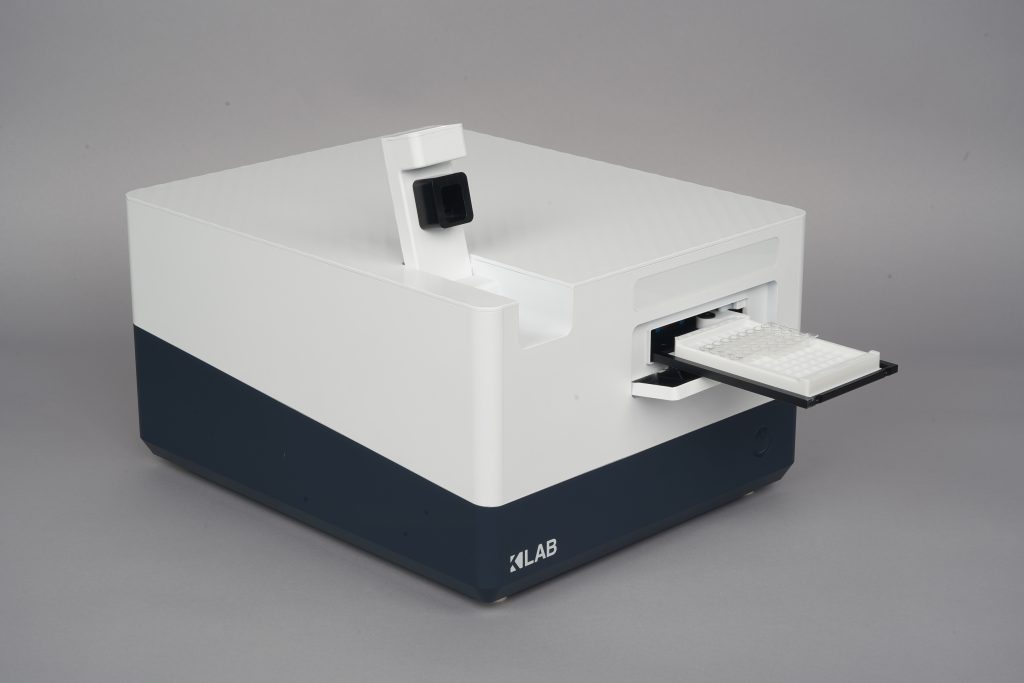
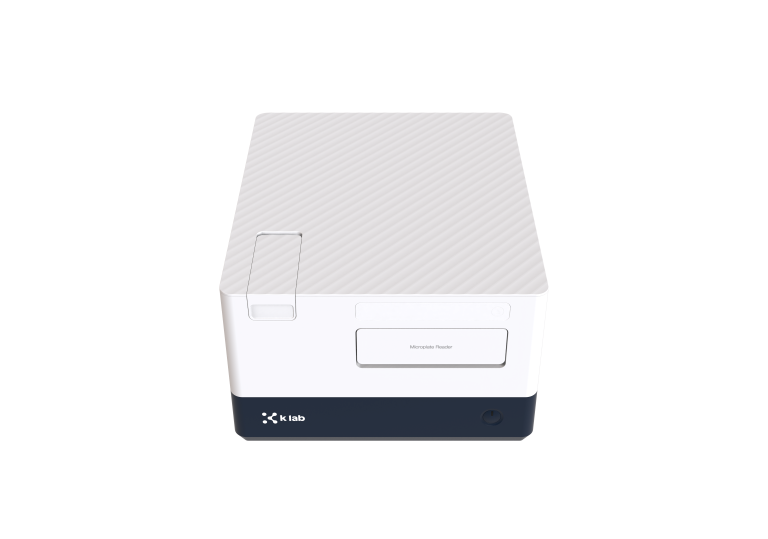
MRX Series is a UV-Vis microplate reader designed for precise quantitative analysis and flexible assay setup in research, QC, and educational environments.
Equipped with a xenon flash lamp and monochromator-based optics, it delivers full-spectrum measurements across the 190–1,100 nm wavelength range without requiring optical filters.
Overview – MRX Series

The MRX Series features a monochromator-based optical system with photodiode detection, enabling wavelength selection in 1 nm increments and simultaneous measurement at up to eight wavelengths.
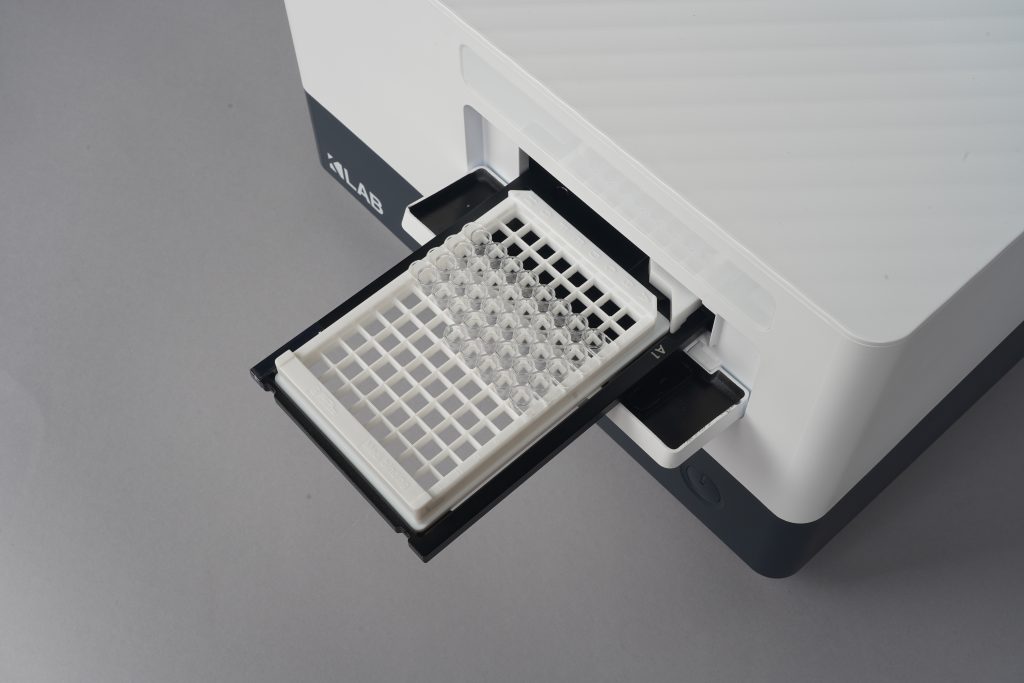
Designed for research, quality control (QC), and educational laboratories, it supports a wide range of absorbance-based assays with broad plate compatibility (6 to 384 well plate) and flexible measurement capabilities.
Designed for Everyday Laboratory Use
Combining full-spectrum measurement, high-throughput performance, and intuitive software, the MRX Series provides a practical solution for routine absorbance-based assays in research and quality control laboratories.
Key Benefits
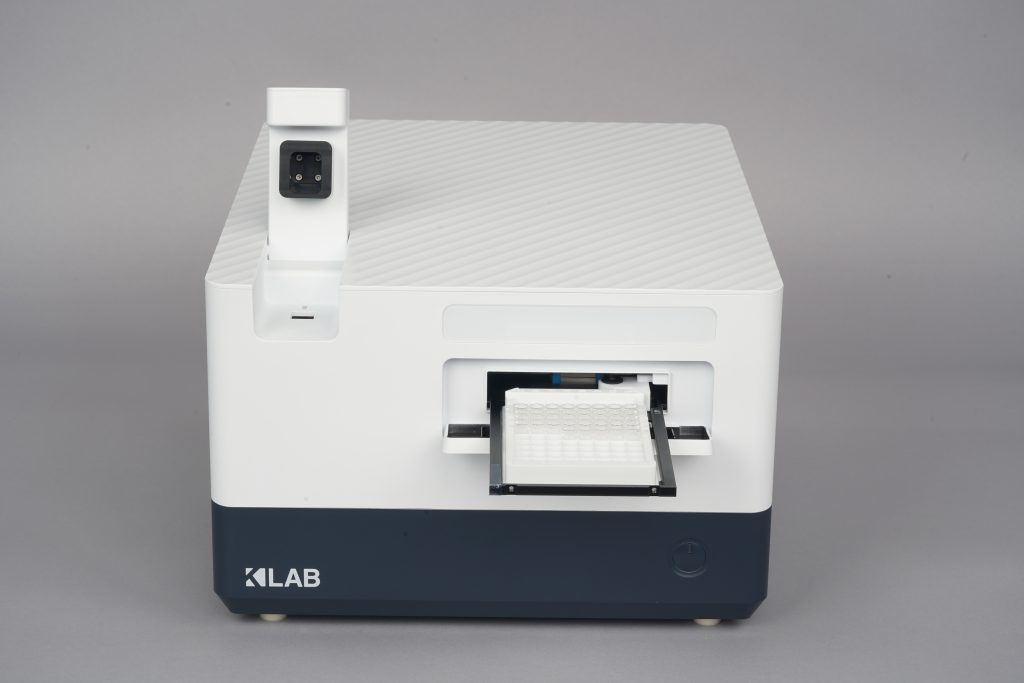
Full-Spectrum Measurement
Covers the full UV-Vis range (190–1,100 nm) using a monochromator-based optical system, enabling flexible wavelength selection without the need for optical filters.
High-Throughput Performance
Fast plate reading speeds (up to 8 seconds for a 96-well plate) support high sample throughput in busy laboratory environments.
Multiple Read Modes for Diverse Assays
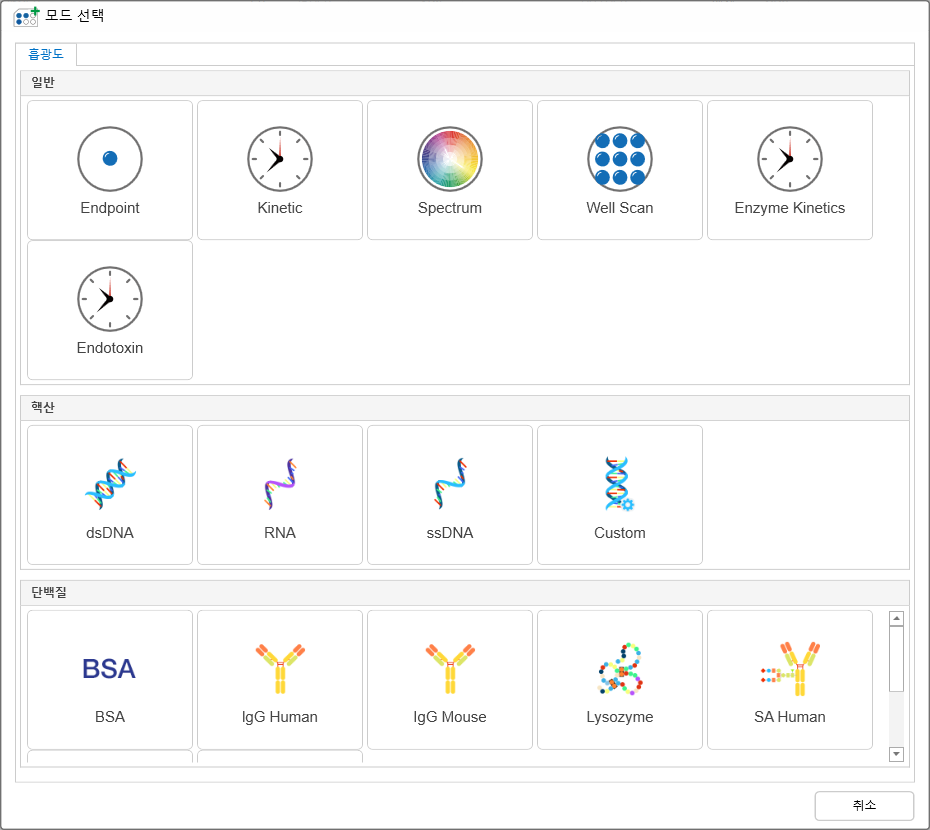
Multiple read modes—including Endpoint, Kinetic, Spectral Scanning, and Well Area Scanning—support a wide range of absorbance-based assays, from ELISA to enzyme kinetics.
Accurate Quantification and Data Analysis
Advanced curve fitting models and statistical analysis tools support accurate, reproducible, and reliable quantitative results.
Integrated Software and Workflow Control
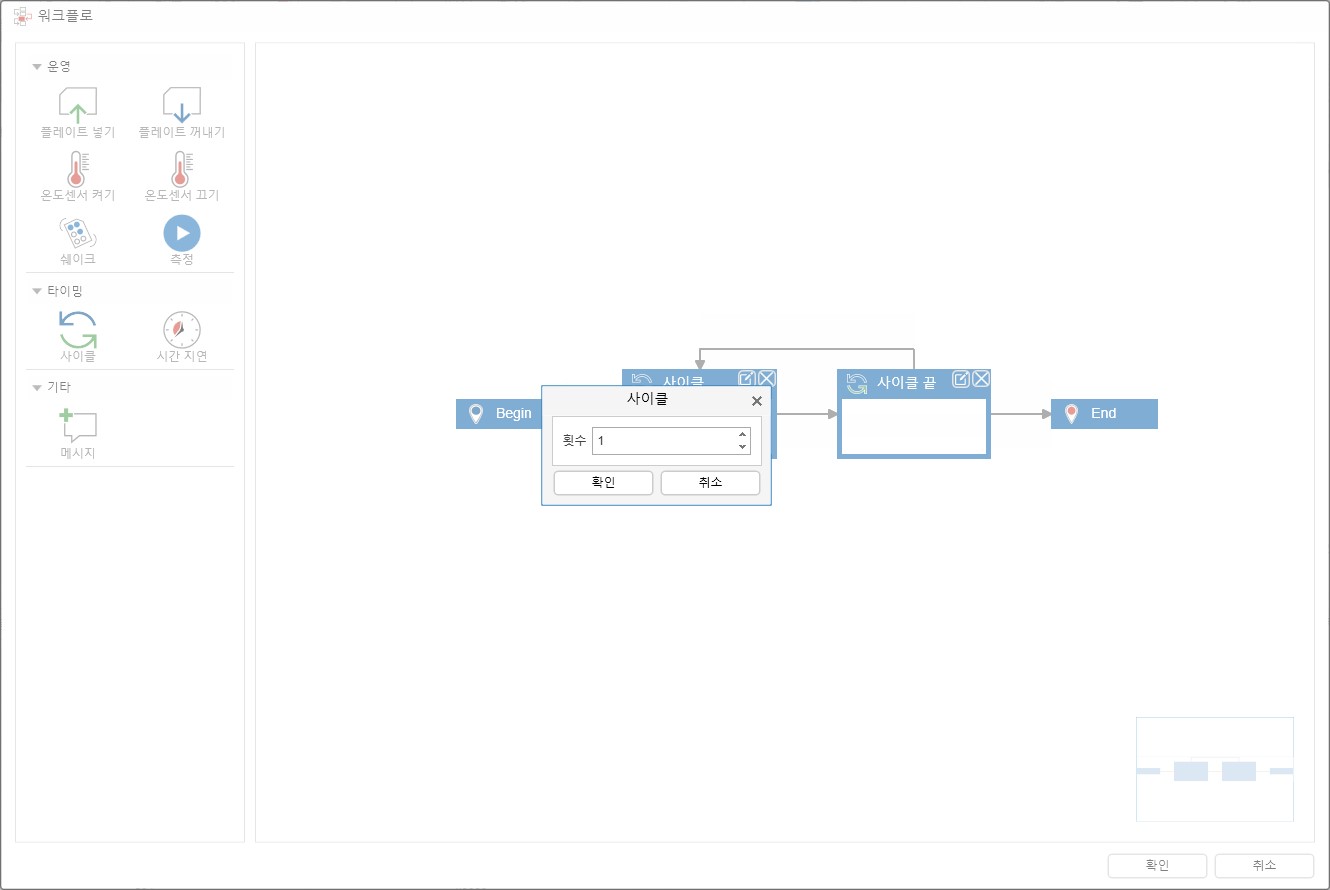
Built-in shaking, incubation, and intuitive software simplify method setup, automation, and data management within a single platform.
Product Configurations
MRX A2000 (MRC)
Supports shaking, incubation, and cuvette measurement, offering the most advanced and versatile configuration.
MRX A2000 (MR)
Provides shaking and incubation functions, suitable for a wide range of standard microplate applications.
MRX B2000
A basic configuration with shaking functionality, ideal for routine and cost-efficient workflows.
(*)Existing MR models can be upgraded to the MRC platform, providing access to additional features.
Hardware Overview
MRX Software Overview
Analysis & Workflow
Measurement Mode Configuration
Microvolume Measurement Accessory: MVP16 (Optional)
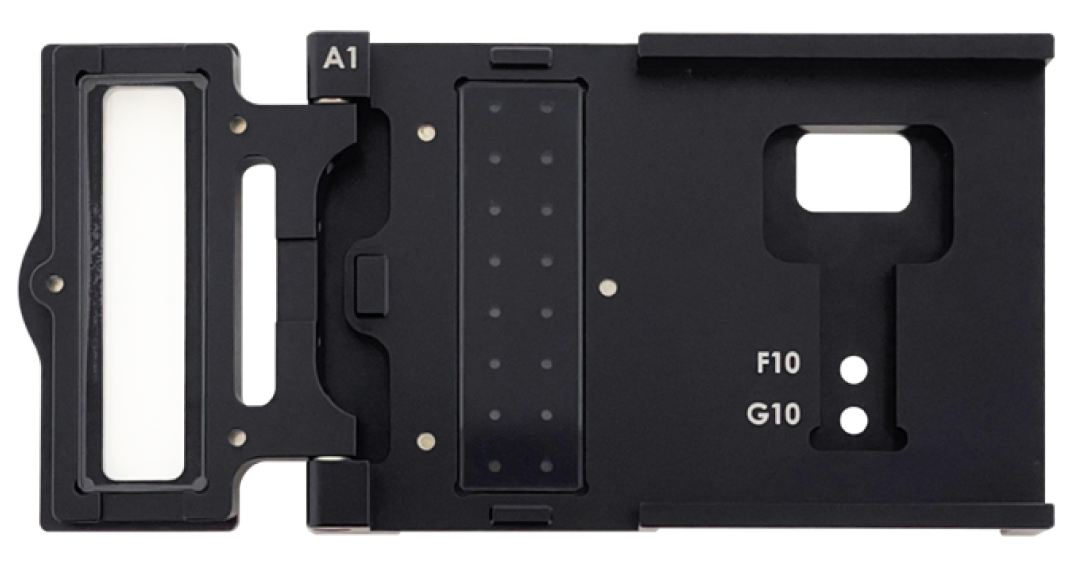
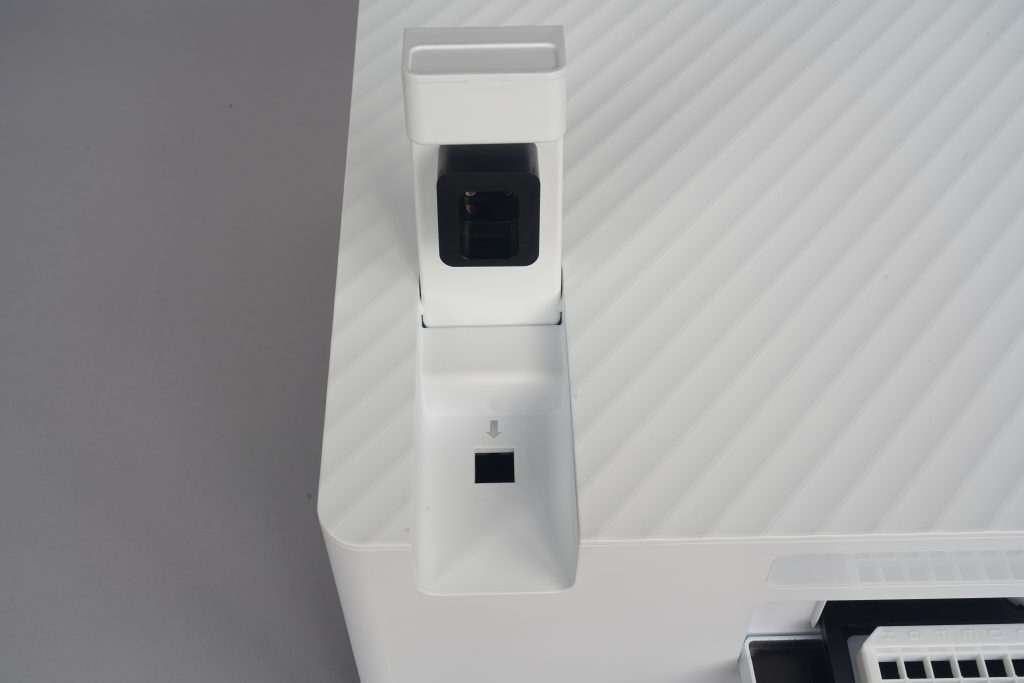
With the optional MVP16 Microvolume Plate (16-well), the MRX Series enables direct measurement of sample volumes as low as 2 µL without dilution, making it ideal for nucleic acid and protein quantification.
Dedicated analysis modes are available for rapid and convenient measurements:
Well Selection & Measurement Control
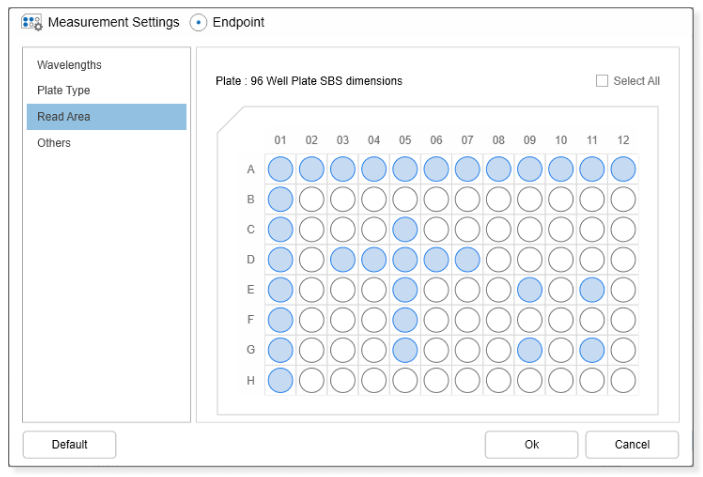
Flexible well selection and sample assignment enable intuitive setup of sample types and dilution conditions within the plate layout.
Measurements can be performed only on selected wells, reducing measurement time and reagent consumption while improving workflow efficiency.
Plate Layout & Dilution Setup
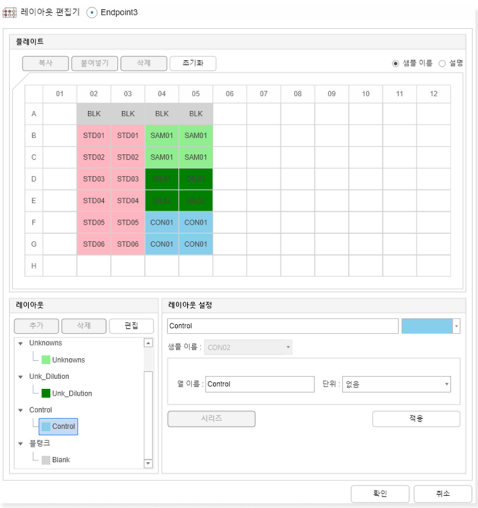
Intuitive plate layout design with color-coded well assignment allows rapid configuration of Standards, Blanks, Unknowns, and Controls.
Automated dilution series generation and sample-specific dilution settings simplify assay preparation, improve consistency, and reduce manual errors.
Advanced Quantification & Analysis
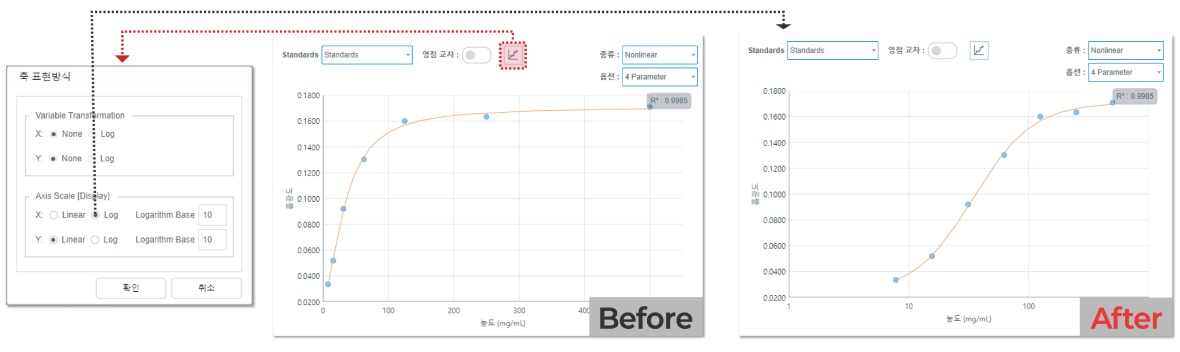
Built-in curve fitting, statistical analysis, and visualization tools support accurate quantification and efficient data interpretation. Dedicated analysis modules further extend functionality for advanced applications such as enzyme kinetics and endotoxin testing.
Applications
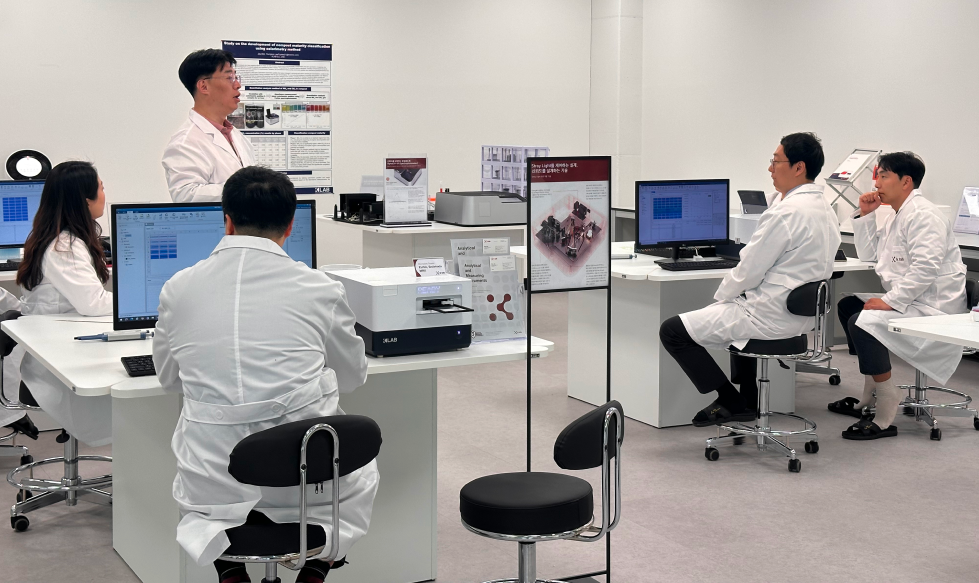
The MRX A2000 is designed for a wide range of life science applications, including ELISA, enzyme activity analysis, endotoxin testing, and nucleic acid and protein quantification.
With support for various assay formats and measurement modes, it is well-suited for research, quality control, and routine laboratory workflows, such as biomarker analysis, drug response studies, and cell-based assays.
Specifications
Key Differences
MRX A2000 (MRC)
Shaking, Incubating, Cuvette measurement
MRX A2000 (MR)
Shaking, Incubating
MRX B2000
Shaking
Common Specifications
Detection modes
UV-Vis absorbance
Light source
Xenon flash lamp
Detector
Photodiode
Wavelength selection
Monochromator
Wavelength range
190 to 1,100 nm / 1 nm increments
Bandwidth
2.9 nm
OD Linearity
< 1% from 0 to 2.5 OD
OD Accuracy
< 1% at 2.0 OD / < 3% at 2.5 OD
OD Repeatability
< 0.5% at 2.0 OD
Read-out range
0 to 4.0 OD
Resolution
0.0001 OD
Pathlength correction
yes
Wavelength accuracy
± 1.5 nm
Wavelength repeatability
± 0.2 nm
Stray light
0.03 % at 230 nm
Measurement speed (from A1 back to A1)
8 seconds with 96-well plate
Shaking
Linear, orbital, double orbital
Read methods
Endpoint, Kinetic, Spectral scanning, Well area scanning
Microplate types
6-, 96-, 384-well plates
Incubation range
From ambient + 2 °C to 65 °C
User interfaces
PC software
Connections
Ethernet port
Power
110/220 V, 50/60 Hz
Power Consumption
100 W
Weight
12 kg
Dimensions(W*D*H)
340 mm * 410 mm * 225 mm
Related products
Microvolume Plate (MVP)
A dedicated plate for MRX readers that enables quantification of DNA, RNA, and protein samples from as low as 2 µL without dilution.
IQ/OQ/PQ
Validation protocols that ensure data reliability and regulatory compliance through installation, operational, and performance qualification of the system.
Validation Plate
A standard calibration plate used to verify absorbance accuracy, precision, and linearity, ensuring consistent instrument performance.
Support
Downloads
Applications
Troubleshooting
-
How to remove the well plate fixing bracket for MRX A2000
How to remove the well plate fixing bracket for MRX A2000 MRX A2000 Well plate fixing bracket Removal Procedure#TS-MR1036-001 Introduction
GET A QUOTE?
Request a Quote.
Whether you’re exploring options or ready to move forward, our team is here to help. Contact your local dealer or submit a quote request and we’ll provide a competitive offer based on your specific requirements.
Trusted by leading companies: