
POP Series
(single-beam)
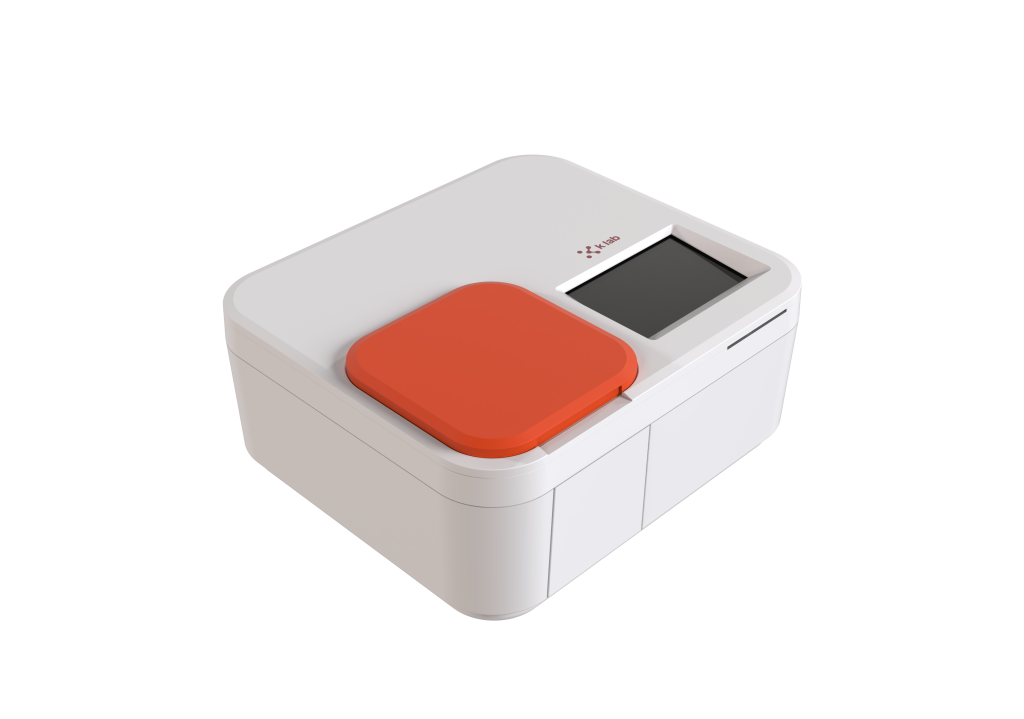
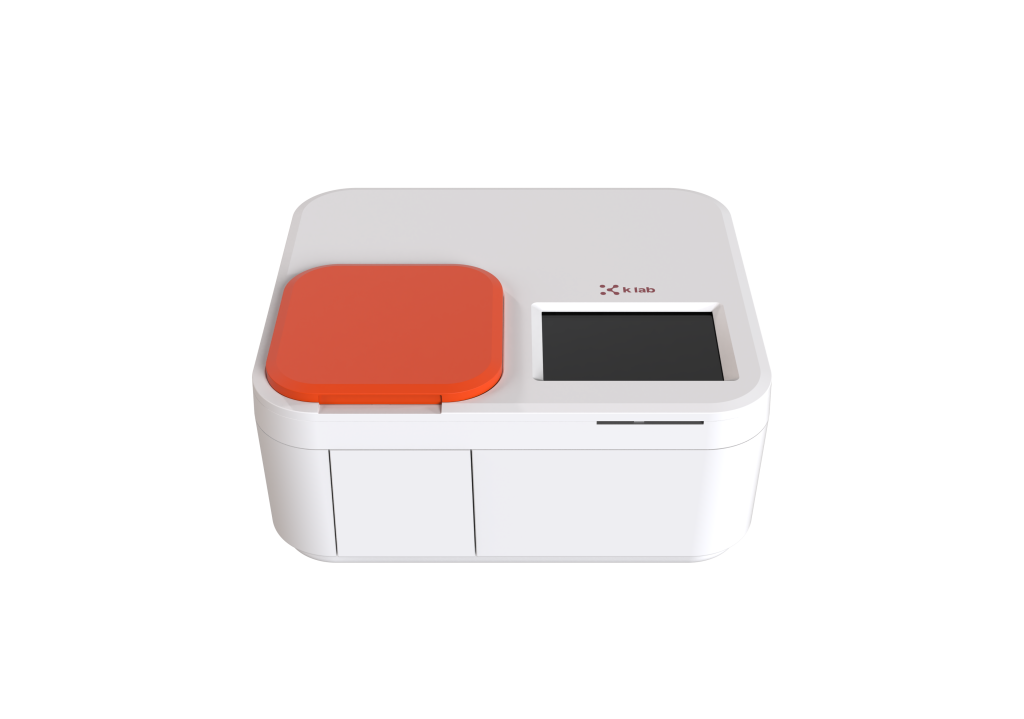
POP is a single-beam spectrophotometer that measures transmittance and absorbance across the UV-Vis range to provide reliable quantitative data, including concentration and purity.
It is suitable for applications in environmental testing, biotechnology, and chemical research.
Overview – POP(Single-Beam UV-Vis Spectrophotometer)

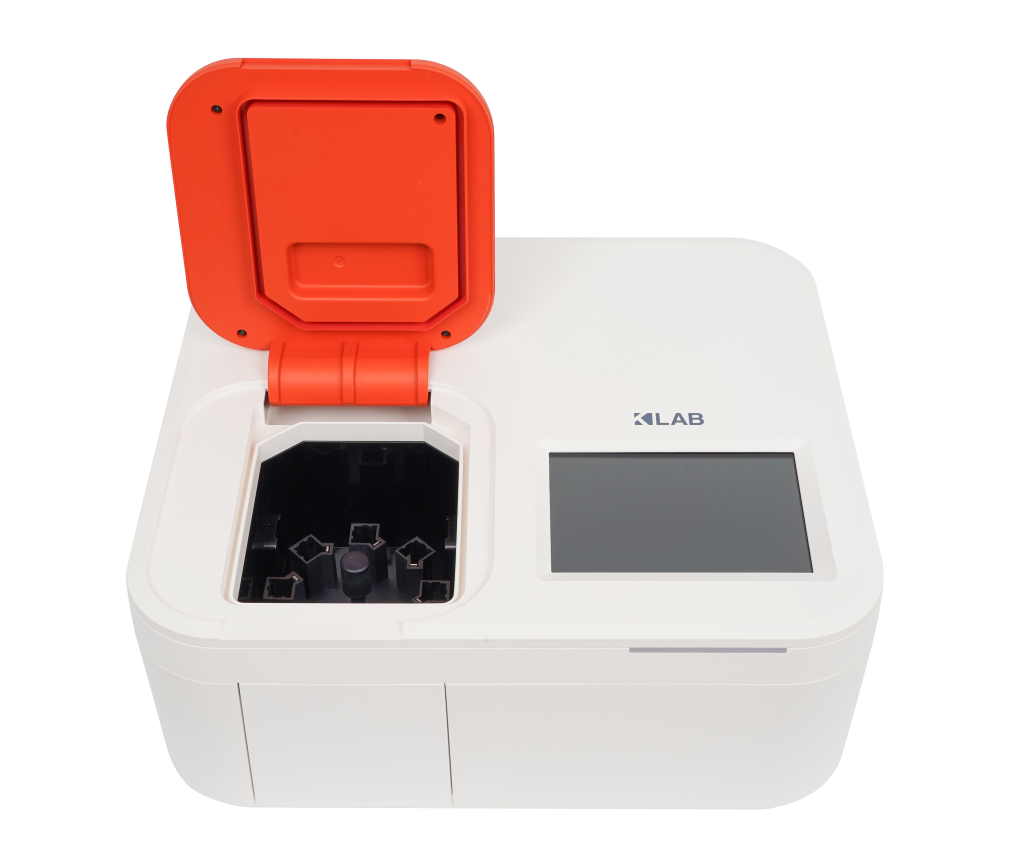
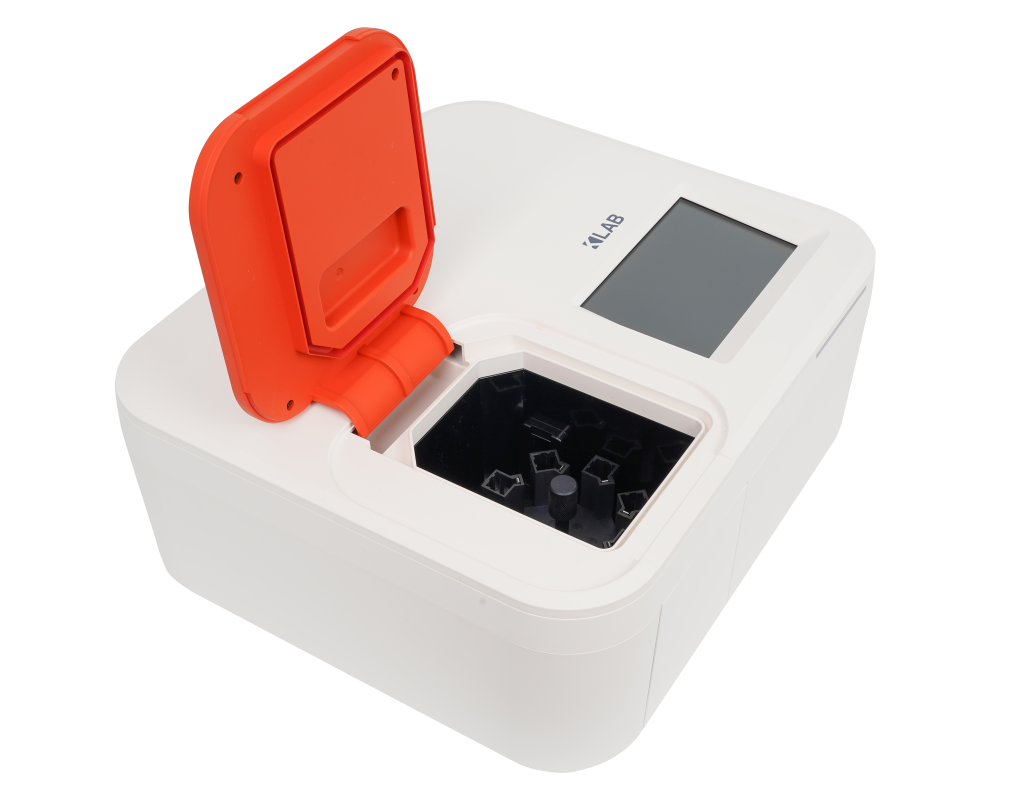
POP Series is a compact, single-beam UV-Vis spectrophotometer designed for routine analysis, education, and general laboratory applications.
Its simplified optical design provides reliable measurements, fast operation, and cost-effective performance in a compact footprint.
POP Series is available in two models—POP and POP-V—to support different wavelength range and application requirements.
Designed for Everyday Laboratory Use
POP focuses on what laboratories need most:
ease of use, reliable measurements, and efficient operation.
Its intuitive interface supports accurate data acquisition with minimal user training, making it well suited for routine analysis and educational laboratories.
Key Benefits
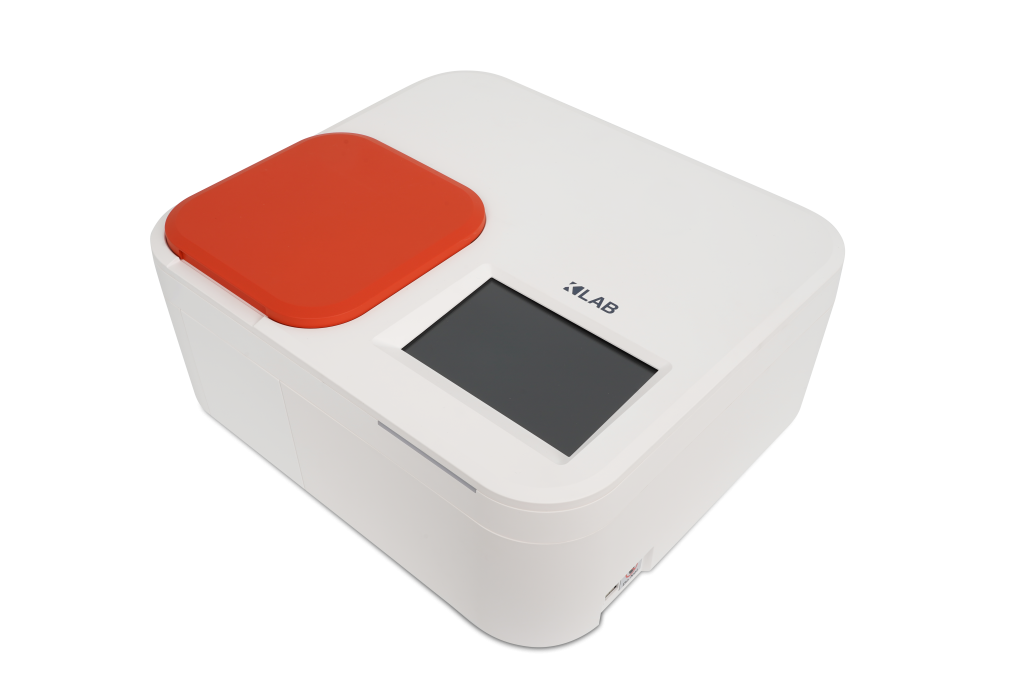
Simple, reliable single-beam optics
Optimized optical design for stable, reliable measurements.
Fast measurements
Fast measurements
High-speed wavelength scanning for rapid spectrum acquisition and efficient workflows.
Cost-effective solution
Essential UV-Vis performance at an accessible price point.
Expandable configuration
Compatibility with a wide range of cells and accessories for diverse applications.
Responsive technical support
Responsive technical support from K LAB’s application specialists.
Model Lineup
POP
Full-range UV-Vis spectrophotometer (190–1100 nm) for applications requiring UV measurements, high photometric accuracy, and stable long-term performance.
POP-V
Visible-range spectrophotometer (340–1100 nm) for laboratories that do not require UV measurements, providing reliable absorbance and colorimetric analysis in a cost-effective configuration.
POP Vis+
Compact visible-range spectrophotometer (320–1100 nm) for essential absorbance and transmittance measurements in routine analysis, education, and general laboratory applications.
|
POP |
POP-V |
POP Vis+ |
|
|
Light Source |
Tungsten-Halogen + Deuterium |
Tungsten-Halogen |
Tungsten-Halogen |
|
Measurement Range |
UV-Vis |
Visible |
Visible |
|
Wavelength Range |
190–1100 nm |
340–1100 nm |
320–1100 nm |
|
Spectral Bandwidth |
< 1.8 nm |
< 1.8 nm |
< 5 nm |
|
Wavelength Accuracy |
< ±0.5 nm |
< ±0.5 nm |
< ±1.5 nm |
|
Photometric Range |
Abs −3 to +3 |
Abs −3 to +3 |
Abs ±3 |
|
Stray Light |
< 0.05% @220 nm (NaI) |
< 0.05% @340 nm (NaNO₂) |
< 0.1% @340 nm (NaNO₂) |
|
Cell Holder |
Multi-cell (8 cells) |
Multi-cell (8 cells) |
Single-cell / multiple cuvette types |
|
Display |
7-inch (1280 × 800) |
7-inch (1280 × 800) |
7-inch (1280 × 800) |
|
Weight |
10.5 kg |
10.5 kg |
4.4 kg |
|
Price Position (vs. POP) |
100% |
~85–90% |
≤ 60% (40%+ lower) |
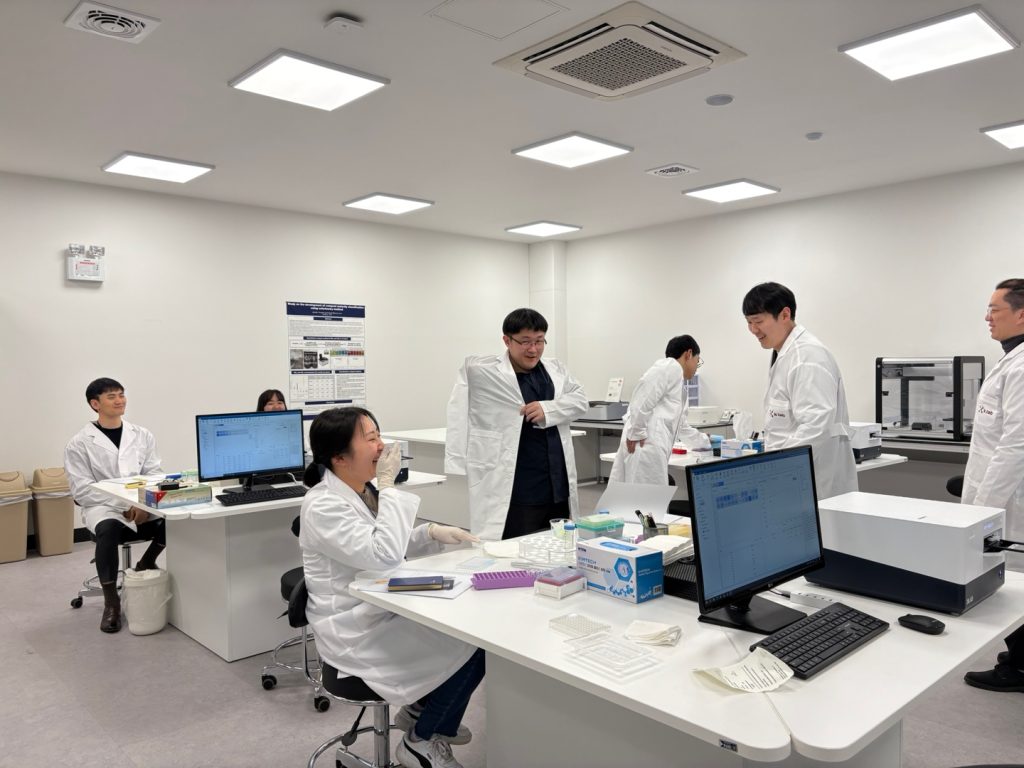
Typical Applications


Performance & Technology
Principle of UV-Vis Spectroscopy
UV-Vis spectroscopy analyzes molecular properties by observing electronic transitions induced by ultraviolet and visible light. Absorption occurs when the energy required for an electronic transition matches the energy of incident light, which is determined by its wavelength, as described by the Planck equation (E = hν = hc/λ).
By measuring absorbance or transmittance across a broad wavelength range, UV-Vis spectroscopy provides insight into molecular structure, interactions, and chemical environments. Its versatility and accessibility make it a widely adopted analytical technique in chemistry, biotechnology, and routine laboratory analysis.
Optical System Design
The PPOP Series utilizes a precisely engineered optical system to provide reliable and repeatable measurements across the UV-Vis range.
Equipped with a Czerny–Turner monochromator, the system combines diffraction gratings and mirrors to accurately select wavelengths while minimizing stray light. A carefully optimized single-beam optical layout reduces mechanical complexity and enhances long-term stability, while advanced control algorithms ensure consistent optical alignment during operation.
Light Source & Detection
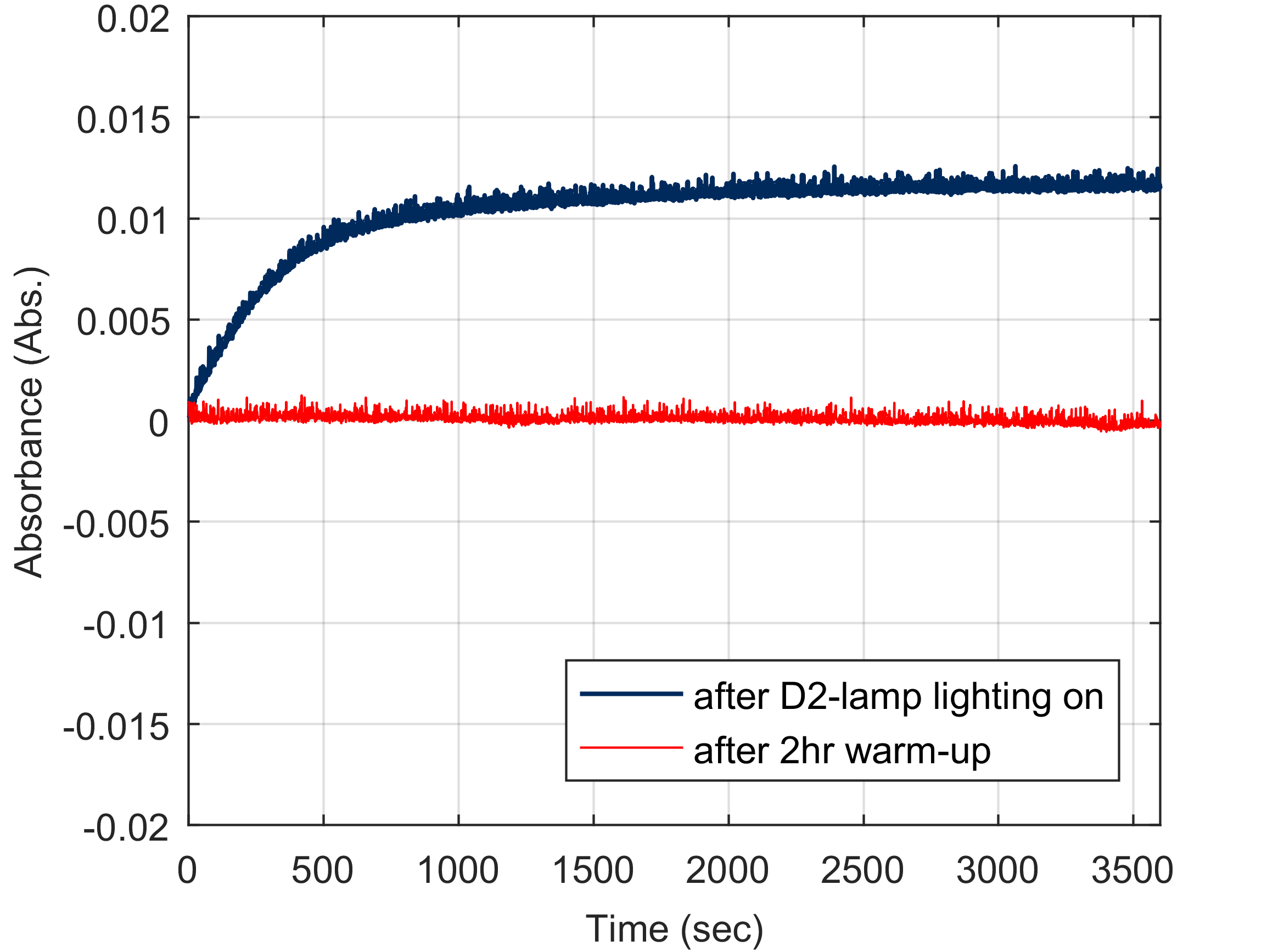
POP Series covers a wide wavelength range using optimized light sources tailored to each spectral region. A deuterium lamp provides stable ultraviolet output, while a tungsten-halogen lamp provides high intensity and stability in the visible range. Automatic lamp switching provides seamless spectral coverage without user intervention.
Transmitted light is detected using a high-sensitivity silicon photodiode, providing accurate absorbance and transmittance measurements even at low signal levels.
Core Measurement Performance
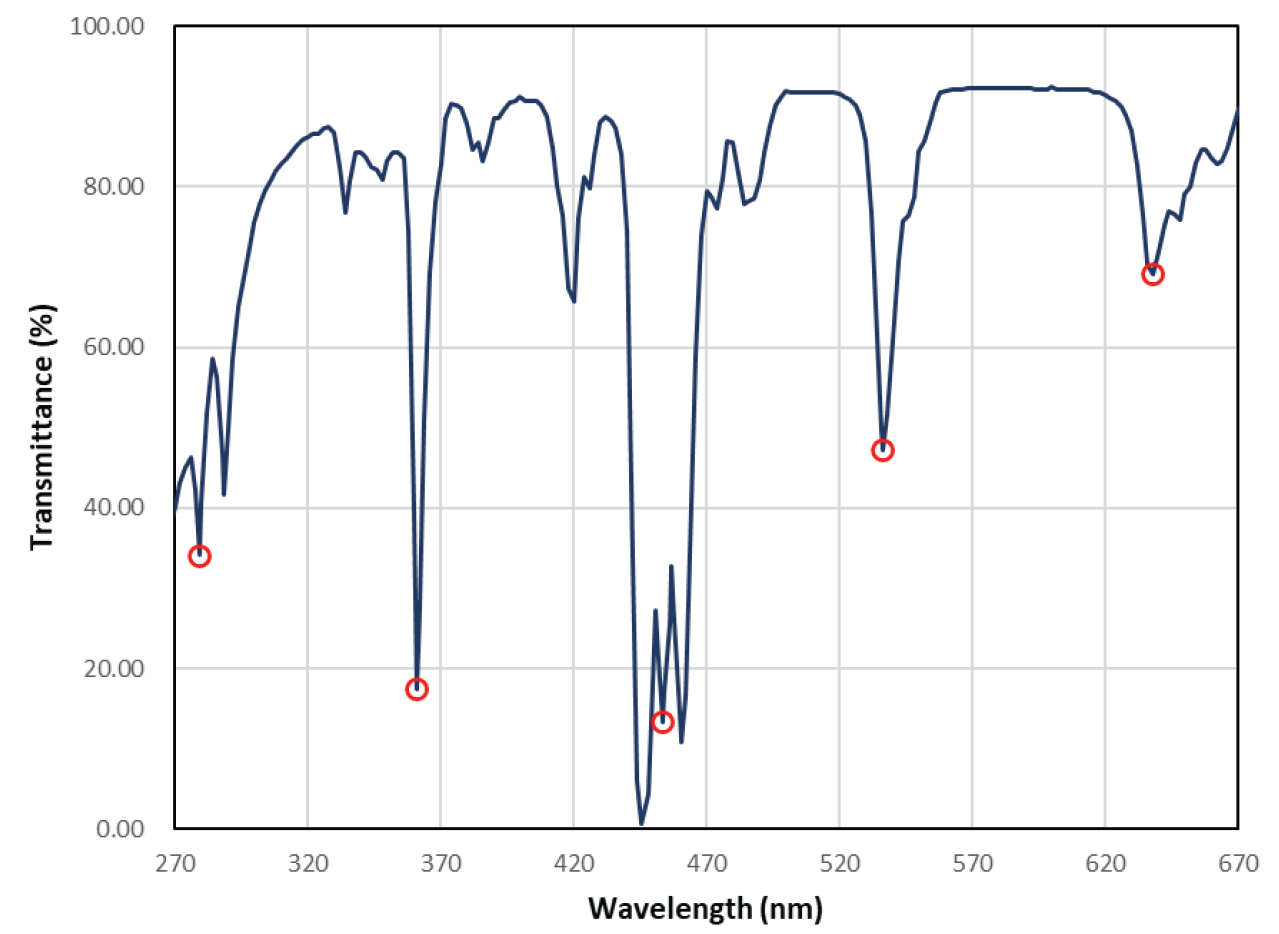
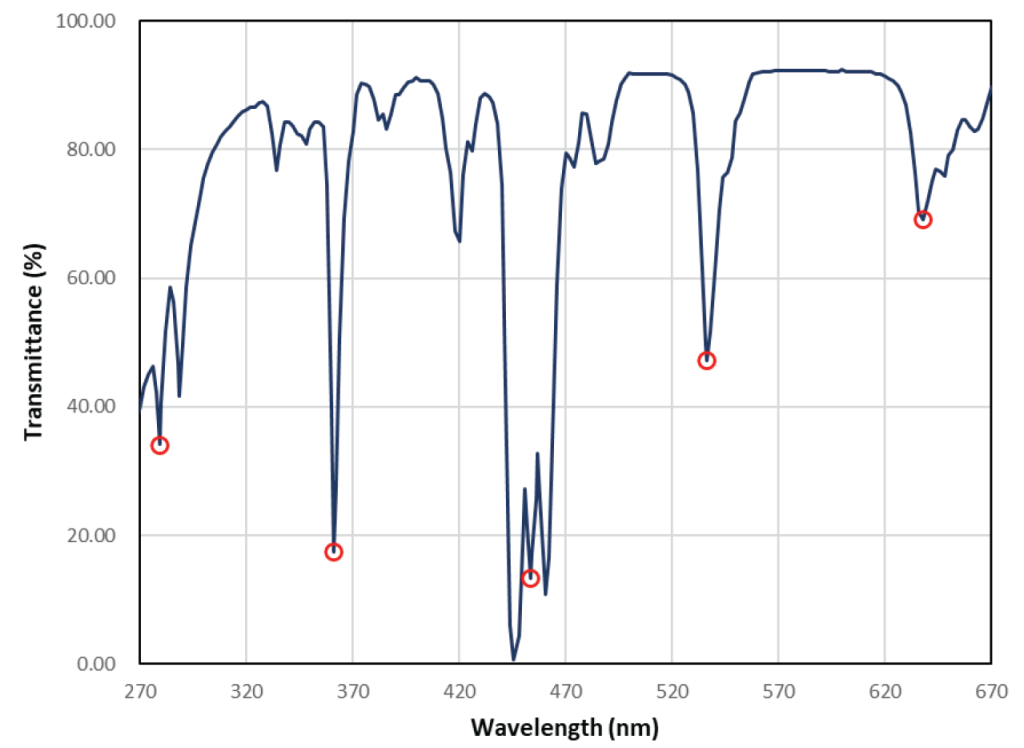
POP Series is designed to provide reliable analytical performance, verified through rigorous internal validation.
Wavelength accuracy is automatically verified at every startup using the characteristic Balmer lines of the deuterium lamp. Additional validation using certified reference materials ensures consistent performance across the full wavelength range.
Quantitative Performance & Linearity
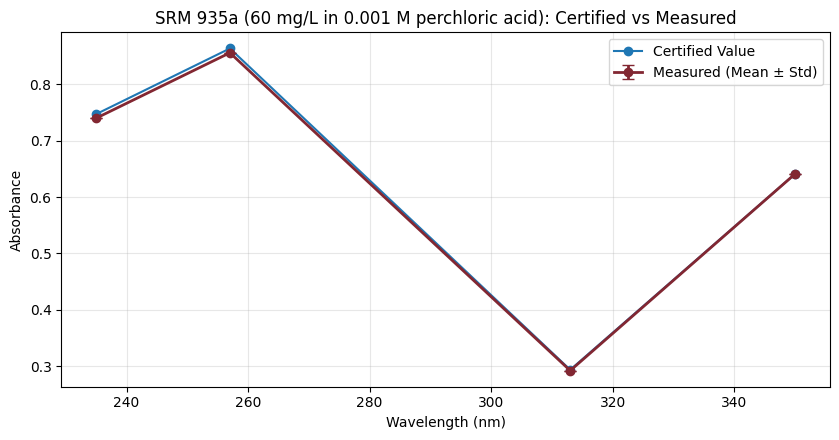
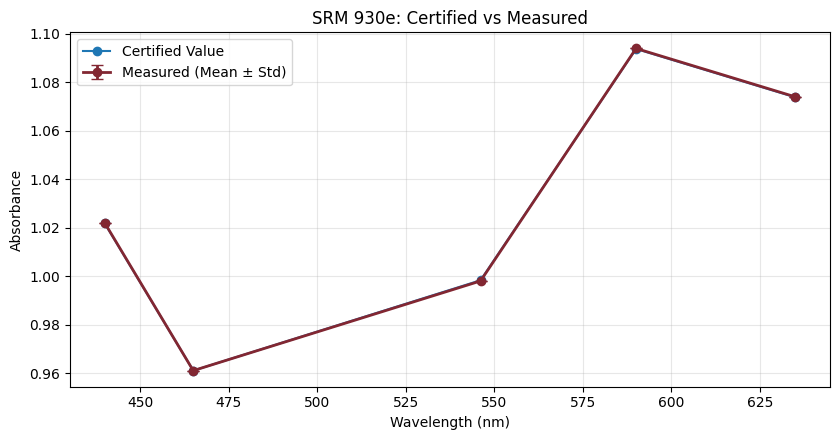
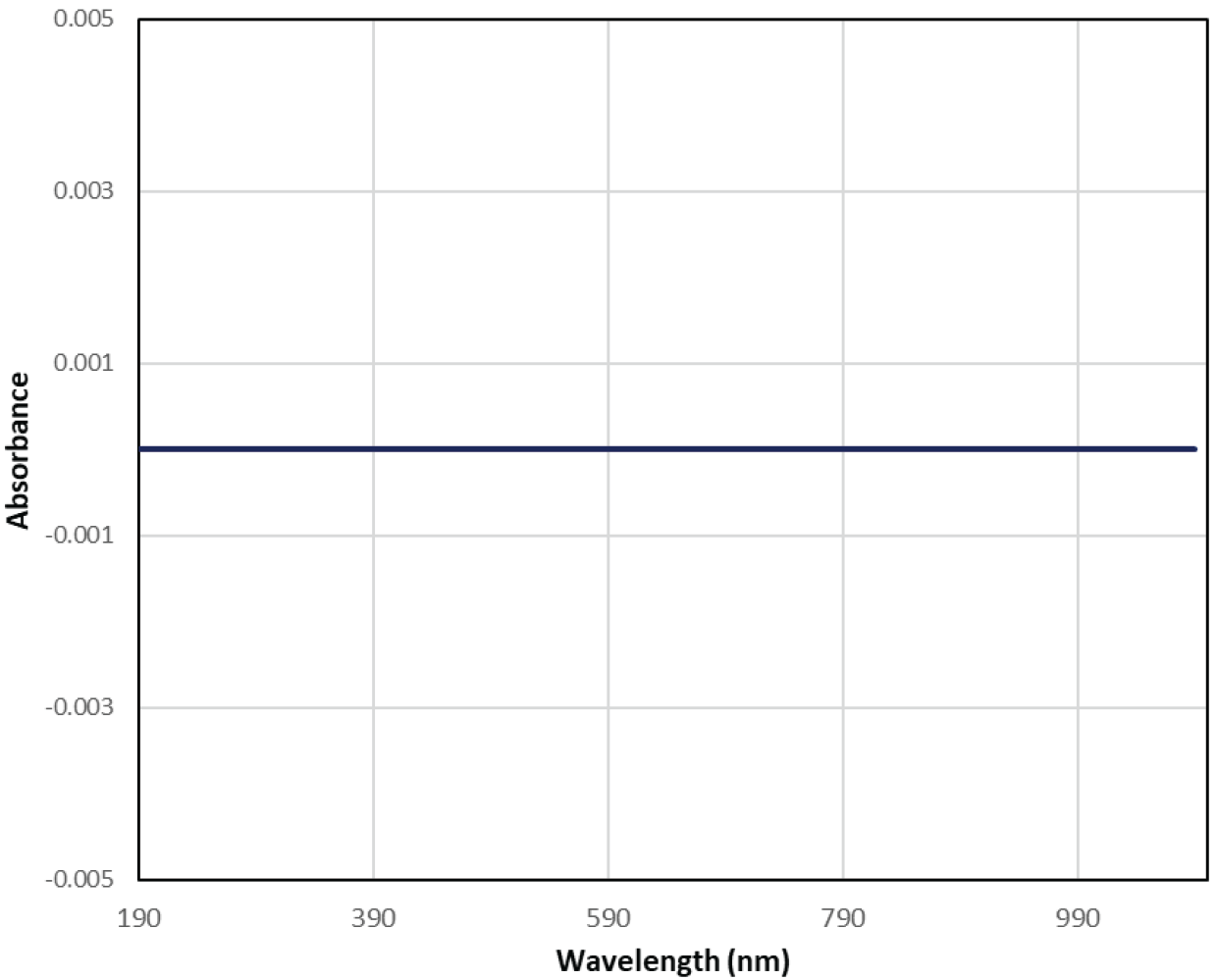
POP Series automatically updates blank measurements during analysis using a multi-cell holder, minimizing signal drift and maintaining photometric stability over time.
These characteristics support stable long-term measurements and repeatable quantitative results, even in routine or high-throughput workflows.
Photometric Accuracy & Baseline Stability
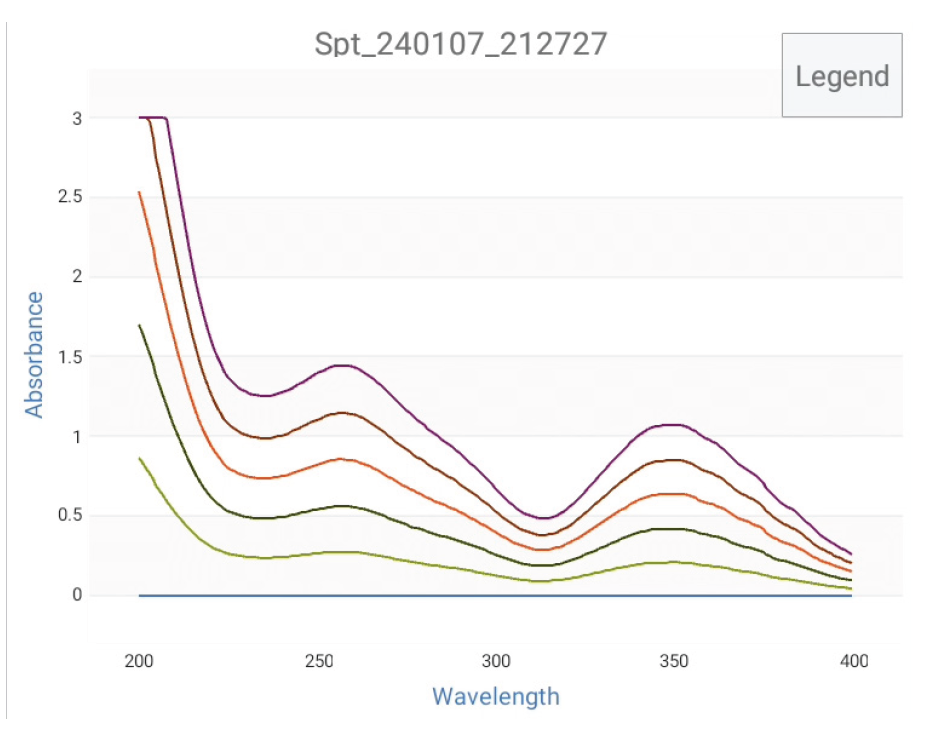
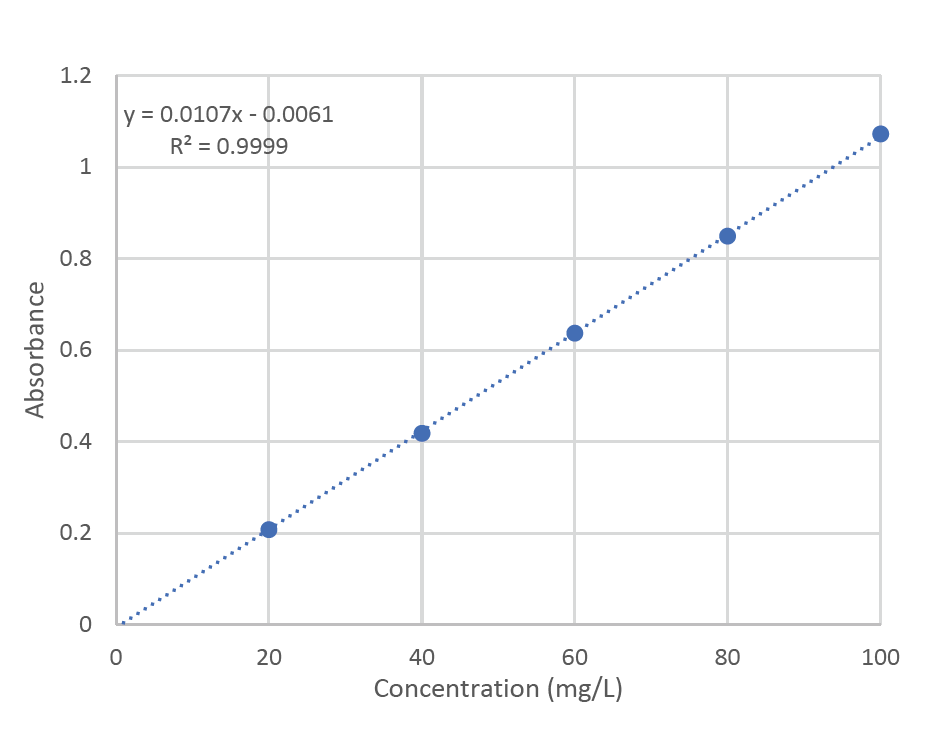
POP Series demonstrates linearity across an absorbance range of 0 to 3 Abs, supporting reliable quantitative analysis based on the Beer–Lambert law.
Using Quantitation mode, users can generate calibration curves from standard samples and determine unknown concentrations. High correlation coefficients (R² up to 0.9999) confirm the system’s suitability for precise concentration analysis in research and quality control applications.
Measurement Modes & Analytical Capability
POP Series integrates multiple analytical modes into a single, intuitive platform:
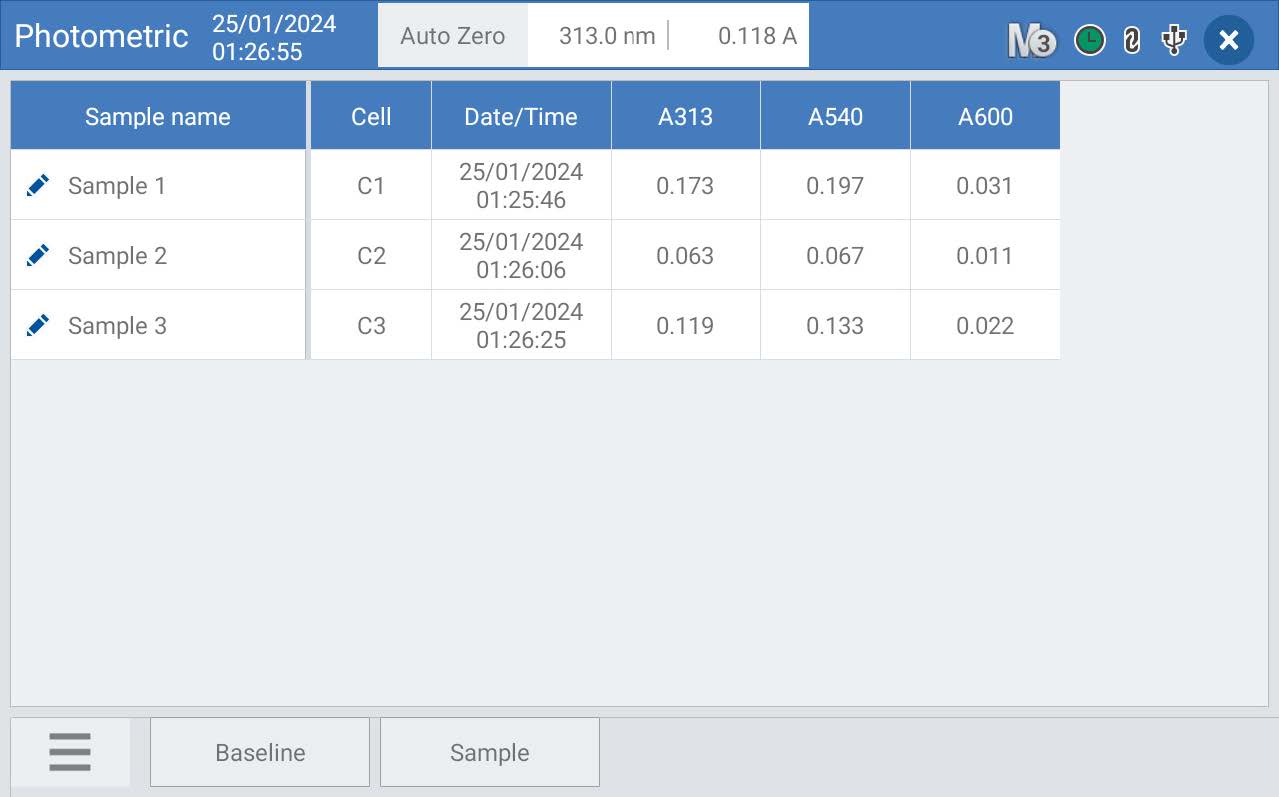
Photometric Mode
Measures absorbance or transmittance at selected wavelengths
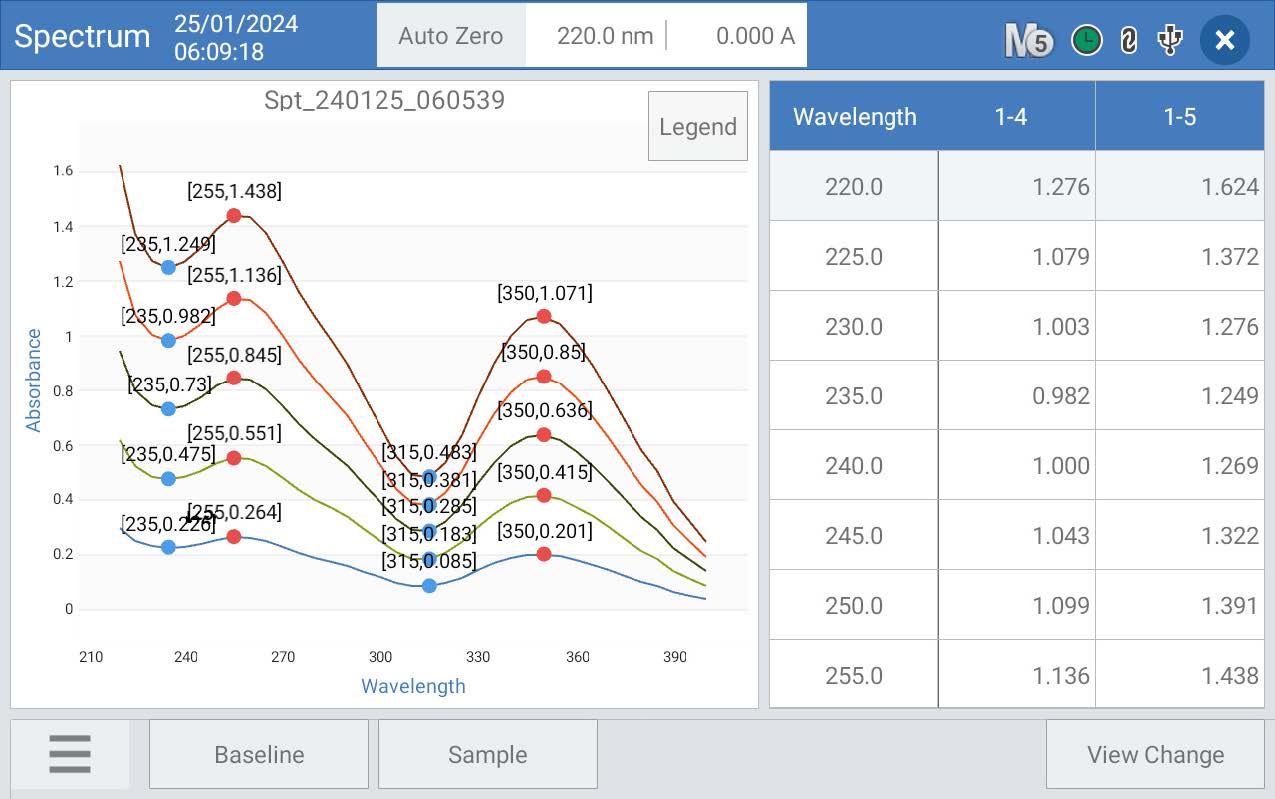
Spectrum Mode
Acquires full spectra across user-defined wavelength ranges
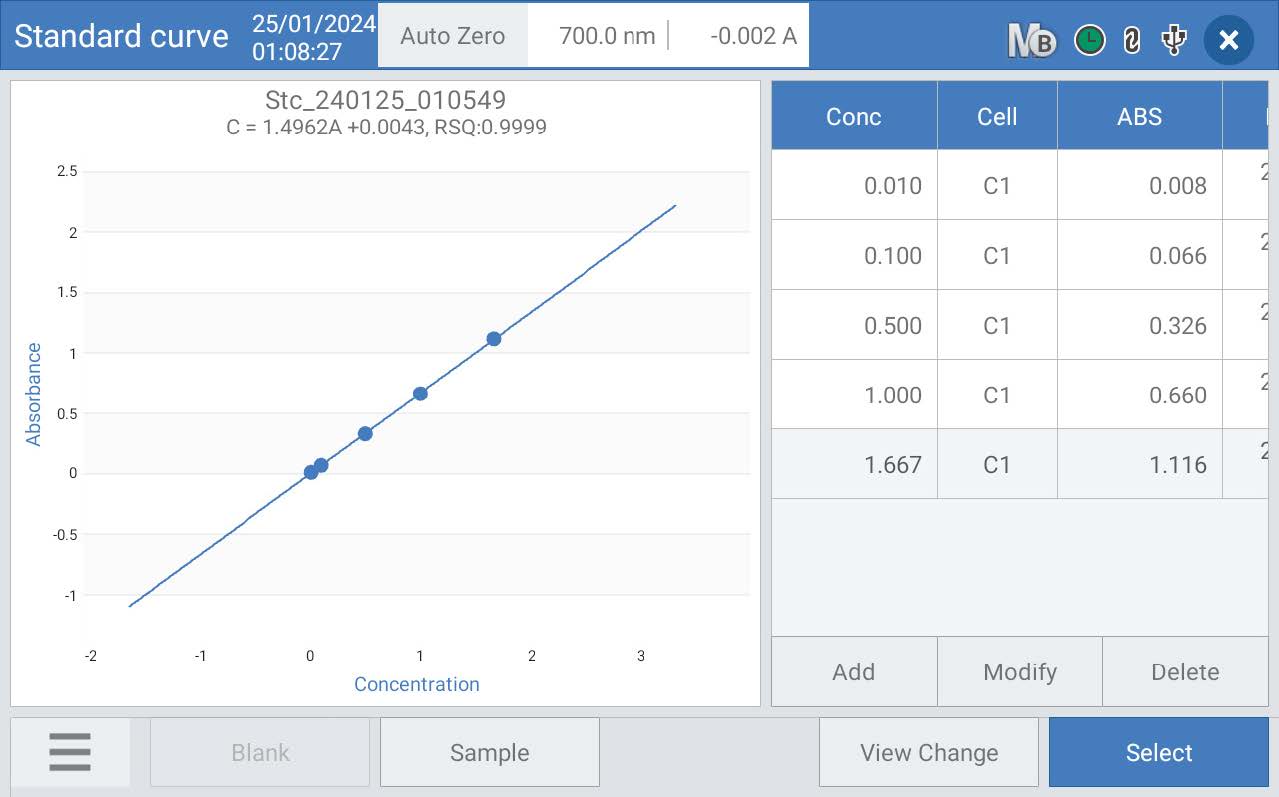
Quantitation Mode
Performs concentration analysis using calibration curves
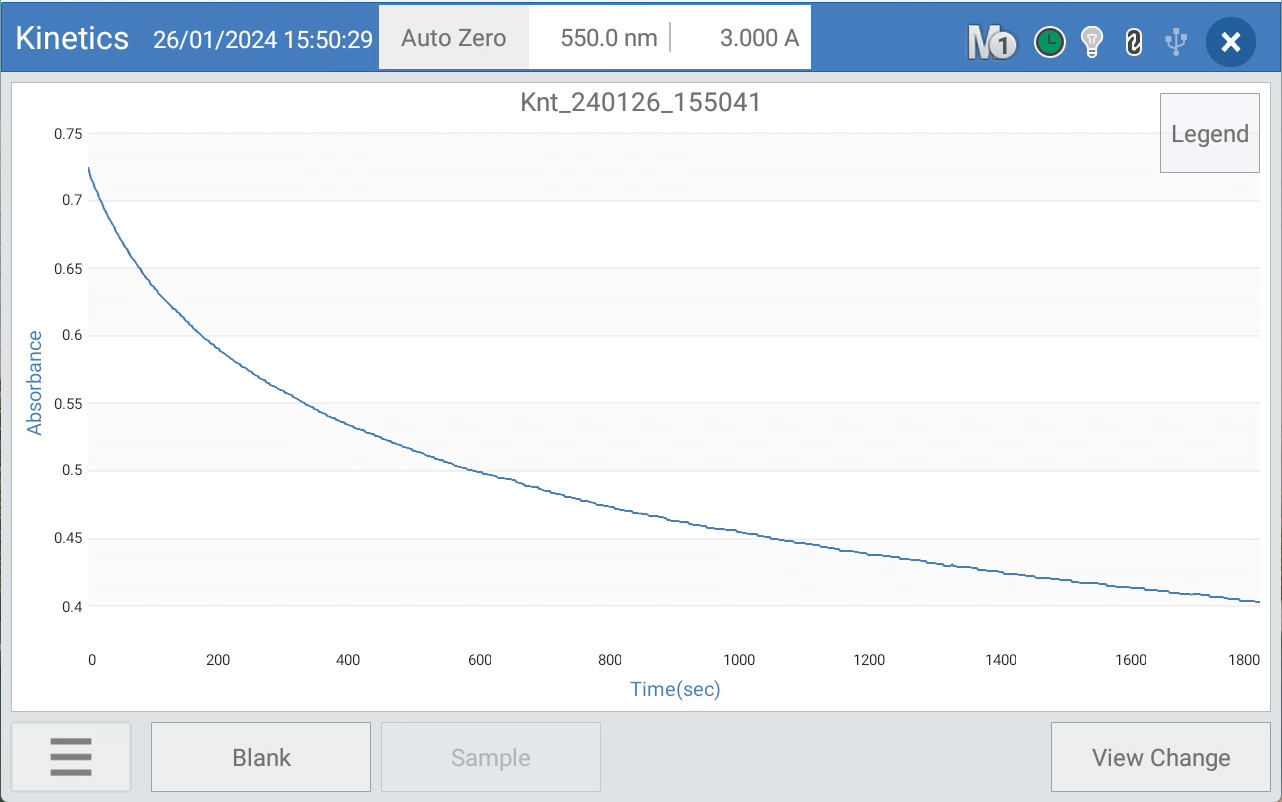
Kinetics Mode
Monitors time-dependent absorbance changes
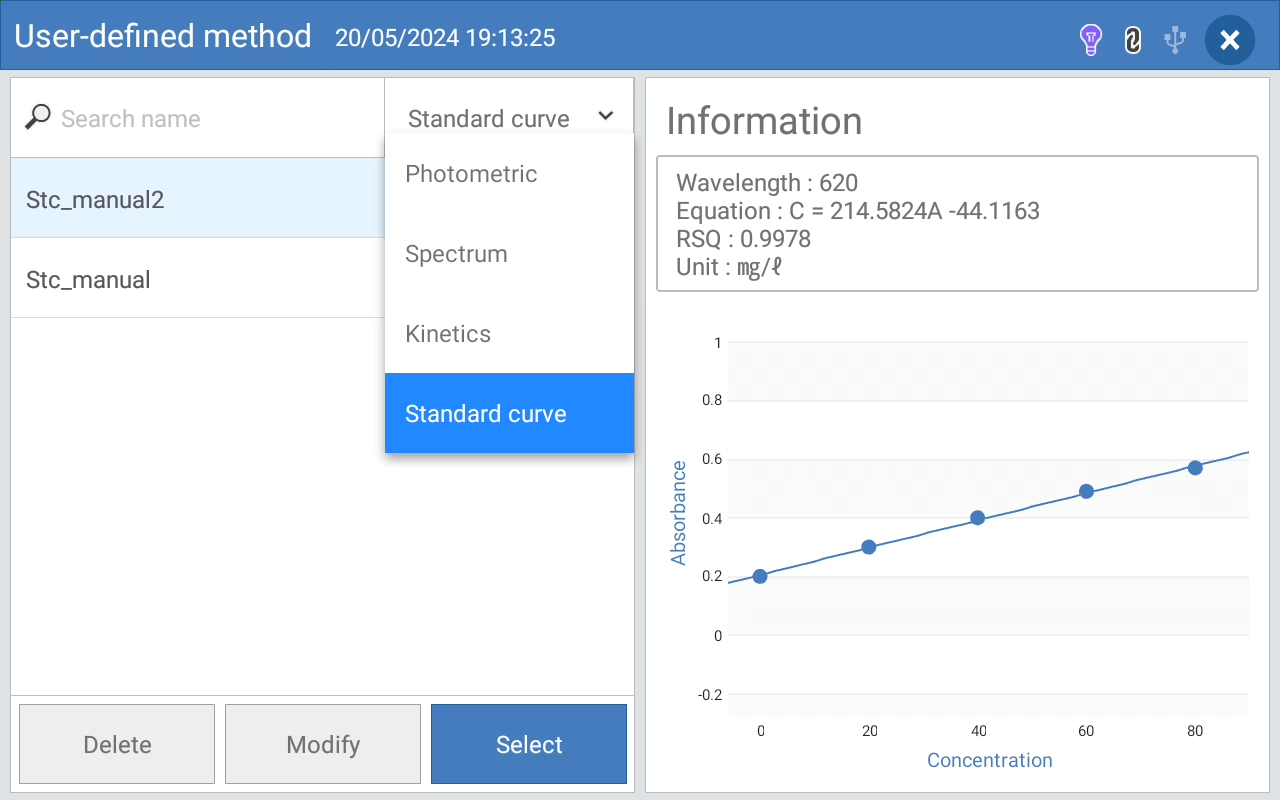
User-Defined Methods
Supports customized workflows for specific applications
These modes support a wide range of analytical applications, from routine measurements to advanced kinetic studies.
Built-In Test (BIT)
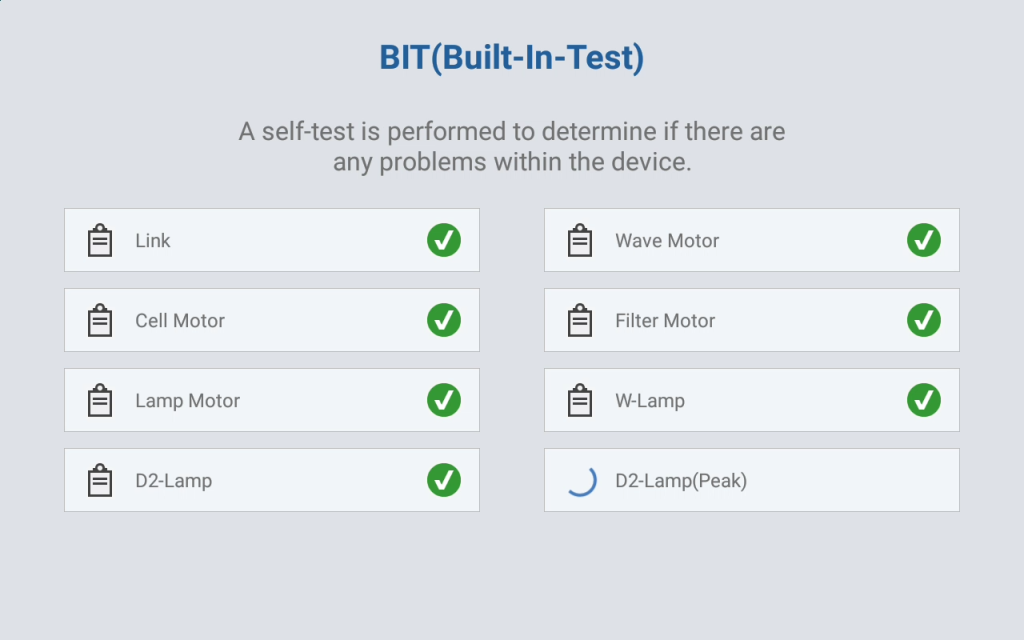
POP Series features a Built-In Test (BIT) system that automatically performs self-diagnostics at startup. The system checks lamp status, motor operation, wavelength accuracy, and optical components before measurement to verify proper operating conditions.
Continuous monitoring of critical components helps prevent unexpected downtime and supports consistent analytical performance.
Software Solutions
POP Series operates as a fully stand-alone instrument and also supports PC-based remote control. An onboard ARM Cortex-A55 processor combined with an Android operating system ensures stable, responsive, and independent operation without the need for an external PC.
Two optional PC software packages are available to extend system functionality and compliance:
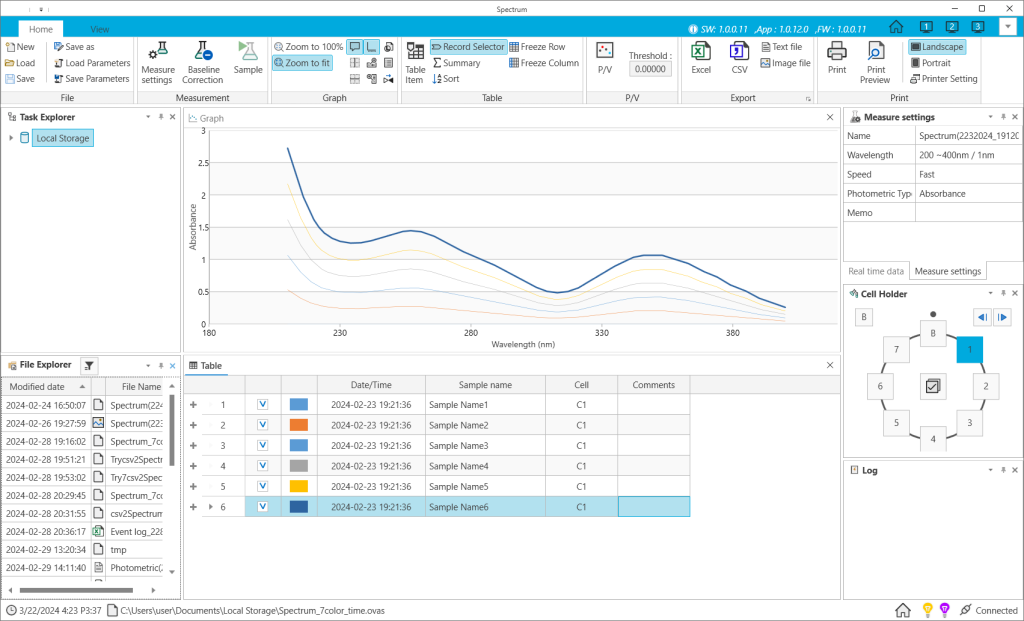
View is Windows-based software for instrument control and data management in a familiar desktop environment.
It supports the complete workflow from real-time measurement and data analysis to post-processing and report generation.
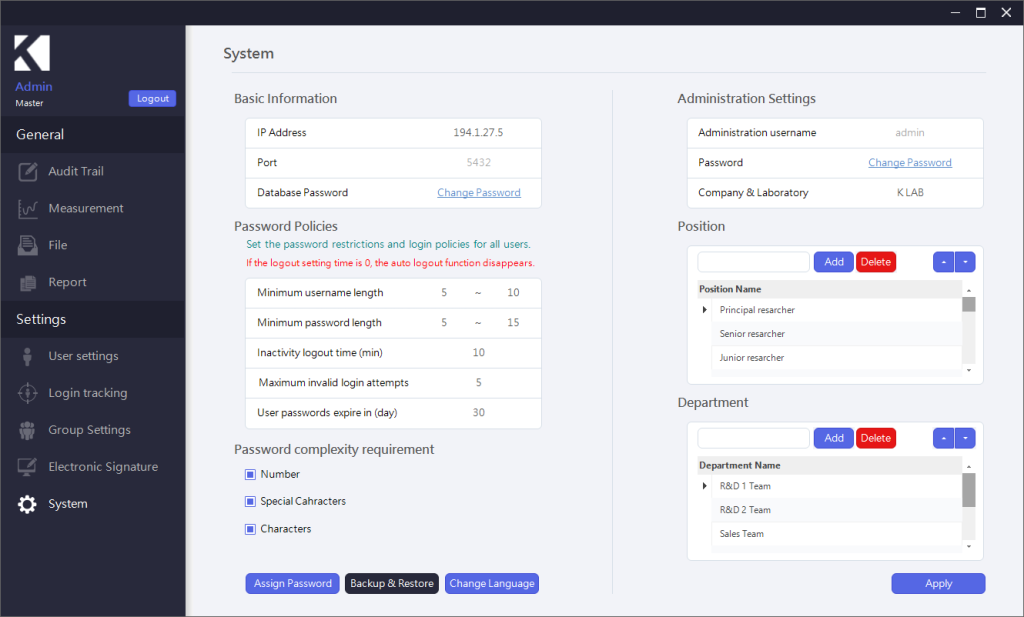
Secure is optional compliance software that provides full traceability and data integrity for regulated environments.
It records and monitors user activities in conjunction with View, supporting compliance with FDA 21 CFR Part 11 requirements.
Specifications
Key Differences
Wavelength Range
Light Source(s)
Wavelength Repeatability
Photometric Accuracy
Baseline Stability
Baseline Flatness
Stray Light
Lamp Interchange Wavelength
Common Specifications
Photometrics System
Single-beam type
Detector
Silicon Photodiode
Wavelength Display (setting)
0.1 nm
Wavelength Accuracy
<± 0.5 nm
Slew Rate
7,800 nm/min
Scanning Speed
4,000 nm/min
Photometric Range
Absorbance : -3 A to 3 A
Transmittance : 0% to 300%
Photometric Repeatability
± 0.003 Abs
RMS noise
< 0.0002 Abs RMS (at 700 nm)
Monochromator
Czerny-Turner Monochromator
Standard Cell Holder
Automatic Rotary type 8-position Multi-Cell Holder
Operating System (OS)
Android
Display
7-inch (Resolution: 1280 x 800)
Control Options
Stand-alone PC
Dimensions
433(W) * 381(D) * 180(H) mm
Power Requirement
AC 100-240V, 50/60Hz, 140VA
Weight
10.5kg
PC Software
(optional) View for advanced measurement
(optional) Secure for FDA 21 CFR Part 11 compliance
Support
Downloads
Applications
Troubleshooting
-
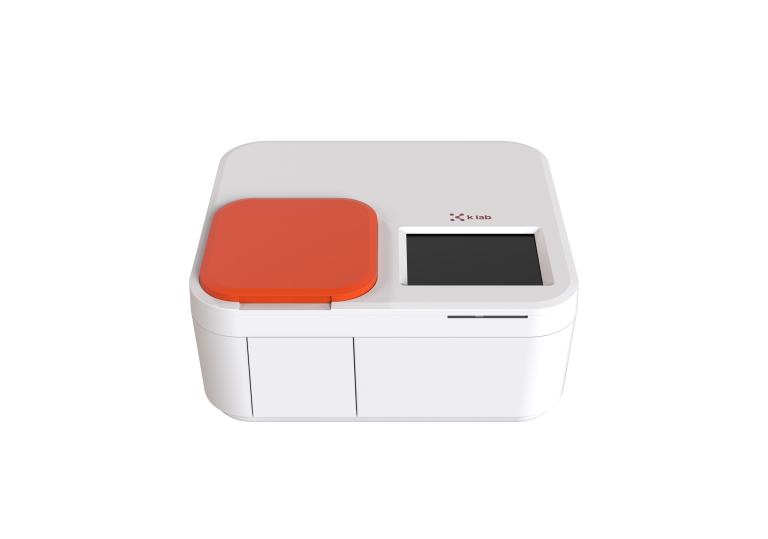
How to separate Top cover for New POP series
How to separate Top cover for New POP series How to separate Top cover for New POP series#TS-PR1151-001 Introduction Procedure
GET A QUOTE?
Request a Quote.
Whether you’re exploring options or ready to move forward, our team is here to help. Contact your local dealer or submit a quote request and we’ll provide a competitive offer based on your specific requirements.
Trusted by leading companies: