
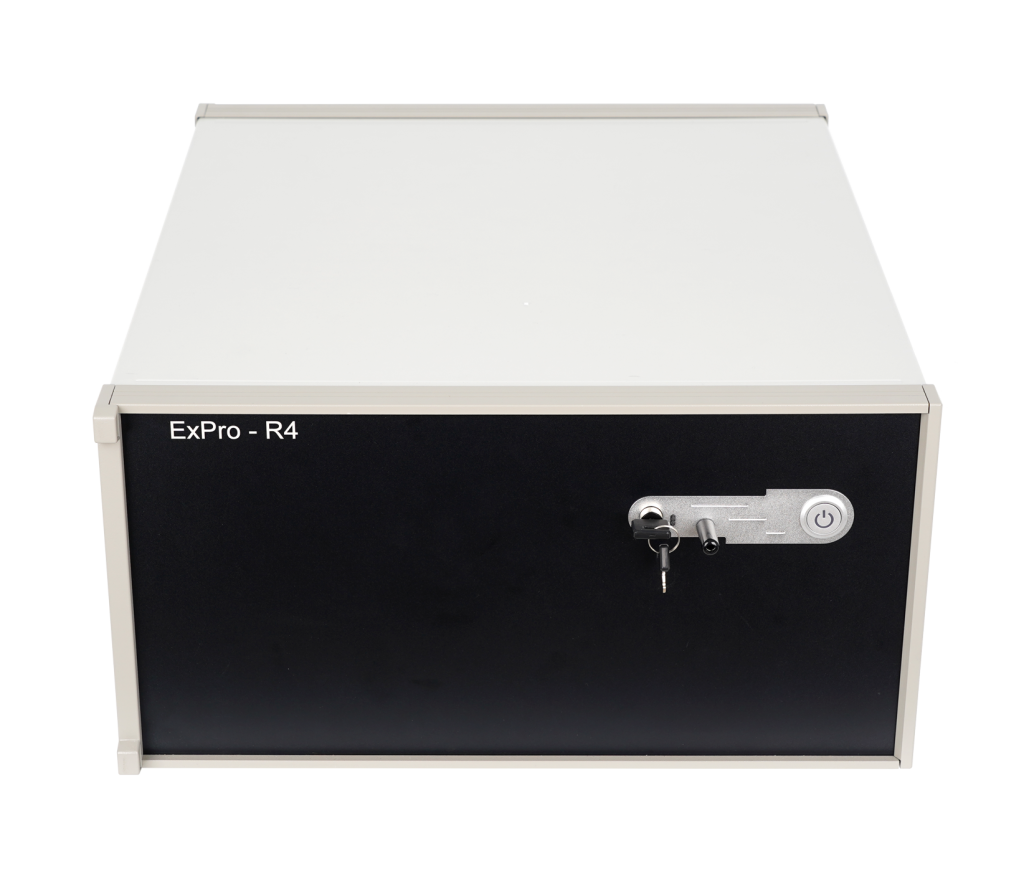
ExPro R Series
(PAT Raman Analyzer)
ExPro R Series eliminates manual sampling and enables real-time monitoring of critical cell culture parameters, including lactate, glucose, and viable cell concentration (VCC), directly within bioreactors.
By providing continuous insight into metabolic status, it transforms bioprocess operation from reactive, offline control to proactive fed-batch optimization, helping improve cell viability, productivity, and process consistency.
Overview – ExPro R Series

Why Buy ExPro R Series?
You’re spending 2-6 hours waiting for sampling results while your cells struggle without nutrients. Batches are inconsistent, and you’re paying $80k/year for analysis that comes too late to help.
ExPro R Series monitors glucose, lactate, and cell count in real-time, automatically adjusting feeding before problems start. Batch variance drops from ±30% to ±5%, batches finish 2 days faster (giving you 3 extra batches/year), and analysis costs fall from $500 to $200 per batch.
Initial investment of $100-140k pays back in 2-3 years through labor savings, reduced costs, and extra revenue. It’s the difference between reactive troubleshooting and proactive control.
Key Benefits
Superior Signal Stability & Data Quality
Enhanced low-noise detection and automatic calibration provide highly reproducible measurements. Consistent spectra from identical samples establish a reliable foundation for accurate quantitative analysis.
Multi-Point Process Monitoring with a Single Base Unit
Monitor up to four reaction vessels or process stages simultaneously using a single platform. Multi-channel capability improves monitoring efficiency while reducing system complexity.
Complete End-to-End Analytics Platform
An integrated workflow from data acquisition (WaveFlow) and preprocessing to model development and real-time prediction (WaveCraft) eliminates the need for external software, simplifying analytical workflows and improving user productivity.
Compact, Modular, Future-Ready Design
A compact design weighing less than 12 kg enables installation in space-constrained process environments, while the modular optical architecture simplifies maintenance and future system expansion.
Seamless Process Integration via OPC UA
The industry-standard OPC UA protocol enables direct connectivity with existing MES, SCADA, and PLC systems, supporting automated data exchange and real-time process monitoring.
Manual Sampling vs ExPro R Series
Real-Time Decision Making
ExPro R Series:
Manual Sampling:
Automated Fed-Batch Control
ExPro R Series:
Manual Sampling:
Elimination of Sampling Risk
ExPro R Series:
Manual Sampling:
Improved Process Understanding (PAT)
ExPro R Series:
Manual Sampling:
Technical Integration
Hardware: Compact Probe in Bioreactor
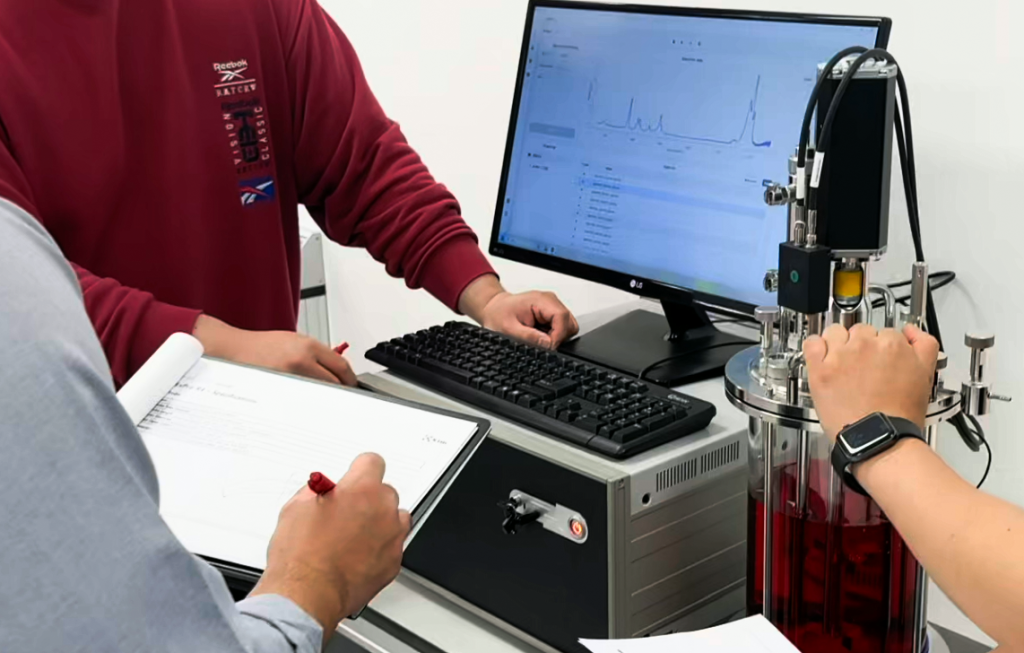
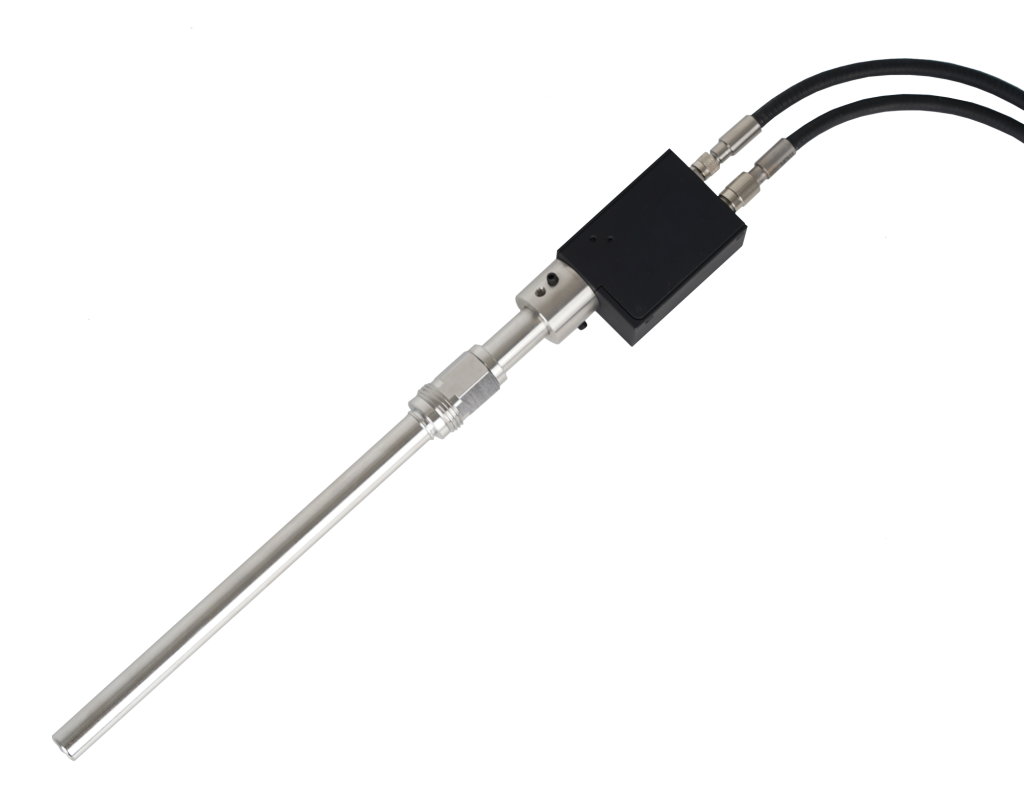
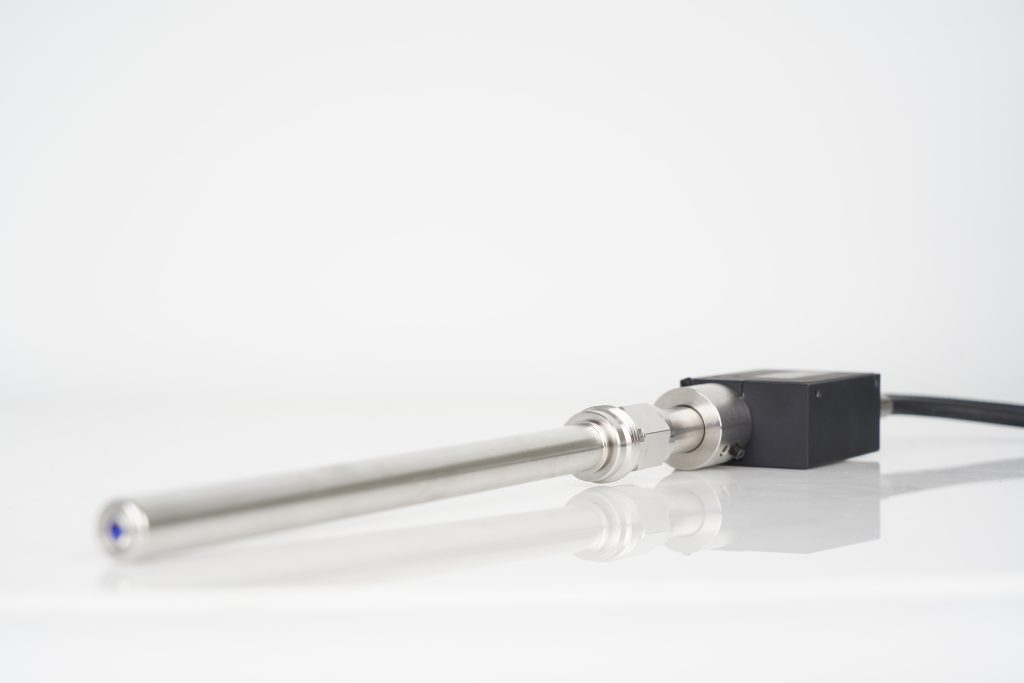
ExPro-R4 probe:
Software: Real-Time Metabolite Prediction
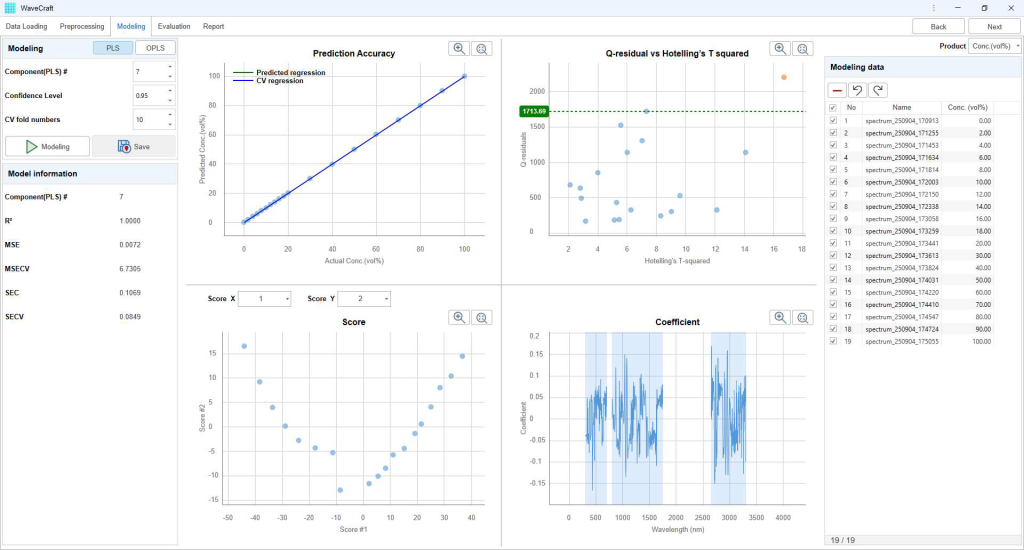
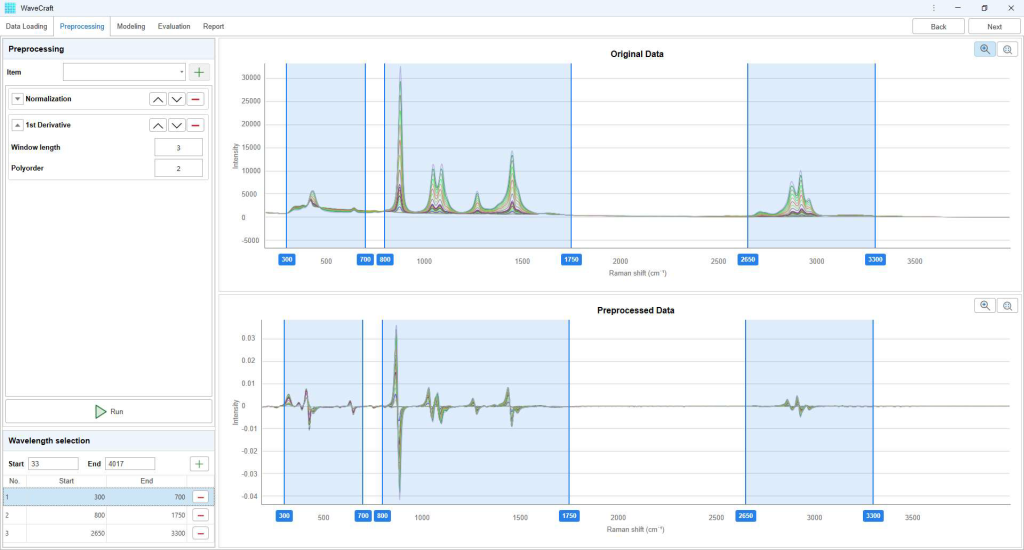
Model 1: Viable Cell Concentration (VCC)
Model 2: Glucose Concentration
Model 3: Lactate Concentration
Model 4: Glutamine/Glutamate (Optional)
Integration with Bioreactor Control Systems
What is OPC UA?
OPC UA (Open Platform Communications Unified Architecture) is an internationally recognized communication standard for secure and reliable data exchange between industrial instruments and automation systems.
Why is it important?
Real-time analytical data from ExPro R Series can be transmitted directly to the bioreactor control system via OPC UA, eliminating manual data transfer and supporting automated process control based on predefined operating strategies.
System Compatibility
Compatible with OPC UA-enabled bioreactor control systems for seamless integration with existing PLC, SCADA, and MES environments.
ExPro-R4 Probe (in Bioreactor)
 ↓ (Raman spectra, real-time)
WaveFlow (Data Acquisition)
 ↓ (Automatic prediction)
WaveCraft (4 Metabolite Models)
 ↓ (VCC, Glucose, Lactate, Glutamine)
OPC UA Server (ExPro-R4)
 ↓ (OPC UA Protocol)
Bioreactor Control System (MES/SCADA)
 ↓ (Fed-batch algorithm)
Bioreactor Actuators
 → Glucose feed pump (automatic)
 → Oxygen supply (automatic)
 → pH control (automatic)
 → Temperature (manual or auto)
FAQ: For Bioreactor User
A: Yes. If the bioreactor has a helical port, installation is possible. Most modern bioreactors (Thermo, Mettler, Sartorius, ATMI) are compatible.
A: No. The probe is non-invasive; using only light signals, it causes no harm to cells.
A: With 20-30 standard samples, a stable model can be built within 2-3 weeks.
A: Yes. It supports OPC UA protocol, compatible with most modern SCADA/MES. Legacy systems may require custom integration.
A: Glucose ±0.5 g/L, Lactate ±1 g/L, VCC ±5-10%—sufficient for practical operations.
A: Probes are replaced every 2-3 years; basic maintenance costs ~$10-15k annually.
Specifications
Common Specifications
Usage
Real-time process monitoring · Reaction tracking · Quality control
Wavelength for Laser
785 nm (532 nm optional)
Spectral Range
100 – 3,600 cm⁻¹
Spectral Resolution
6 cm⁻¹
Detection Type
High-sensitivity TE-cooled CCD / Low-noise signal processing
Cooling Type
2-Stage TEC Active Cooling (–60 °C)
Optical Configuration
Holographic grating + fiber-coupled module
Number of Channels
Supports simultaneous analysis of up to 4 channels
Software
WaveFlow (data acquisition & control) + WaveCraft (modeling & analysis)
Communication Interface
OPC UA
Power Requirements
AC 100 – 240 V / 50 – 60 Hz / < 100 W
Dimensions / Weight
430 (W) × 360 (D) × 160 (H) mm / < 12 kg
Key Features
High-sensitivity, low-noise detection; automatic baseline correction;
real-time modeling; compact industrial design; multi-channel process analysis support
Probe Tube Material
316L stainless steel
Probe Length
220 mm (120 ~ 320 mm customizable)
Outer Diameter
785 nm (532 nm, optional)
Fiber Optic Cable
100 – 3,600 cm⁻¹
Connector
Excitation (FC, 100 um, NA 0.22)
Collection (SMA, 200 um, NA 0.22)
Support
Downloads
Applications
Troubleshooting
-
How to separate Top cover for New POP series
How to separate Top cover for New POP series How to separate Top cover for New POP series#TS-PR1151-001 Introduction Procedure
GET A QUOTE?
Request a Quote.
Whether you’re exploring options or ready to move forward, our team is here to help. Contact your local dealer or submit a quote request and we’ll provide a competitive offer based on your specific requirements.
Trusted by leading companies: