

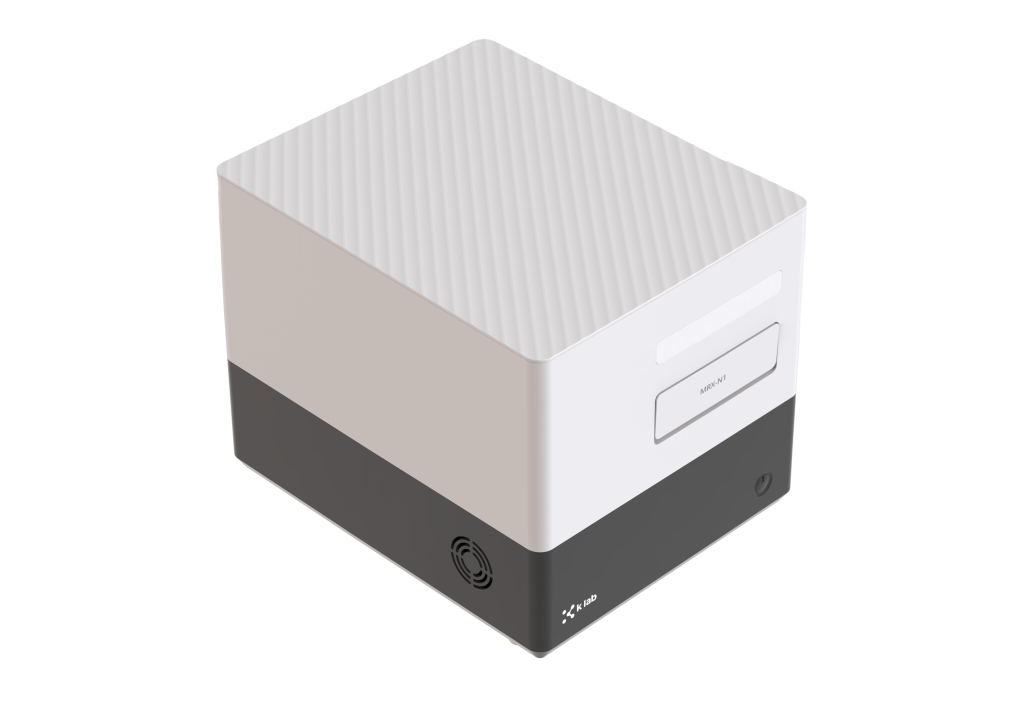
MRX N1
(HT-NIR Analyzer)
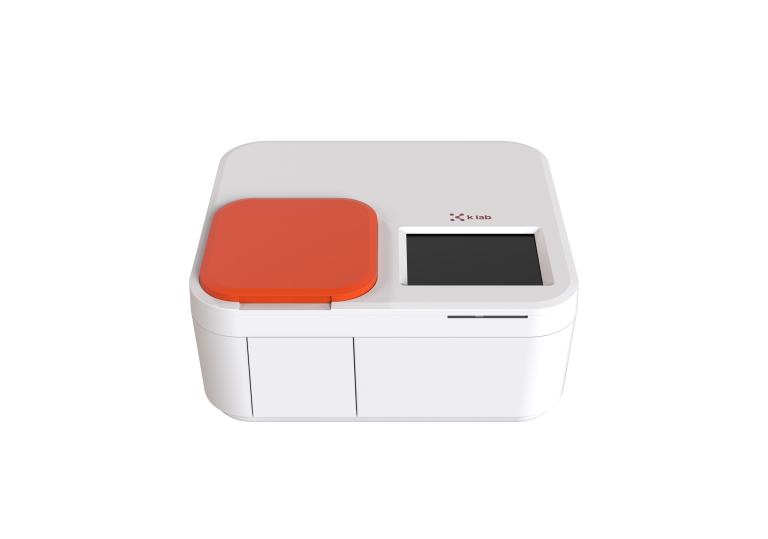
The MRX N1 is a High-Throughput Near-Infrared (HT-NIR) Analyzer designed for rapid, non-destructive sample analysis.
Equipped with 96-well plate compatibility and advanced chemometric modeling, it supports high-throughput screening and reliable quantitative prediction within a single platform.
Overview – MRX N1

The MRX N1 is a High-Throughput Near-Infrared (HT-NIR) Analyzer designed for rapid, non-destructive analysis of large sample sets.
Combining 96-well plate compatibility with advanced chemometric modeling, it enables reliable quantitative prediction across a wide range of applications.
By complementing or replacing conventional HPLC workflows, the MRX N1 helps improve laboratory productivity, shorten QC turnaround times, and reduce analytical costs.
Designed for Everyday Laboratory Use
Combining FT-NIR spectroscopy with advanced chemometric analysis, the MRX N1 provides a practical solution for high-throughput screening and routine quality control.
Key Benefits


Ultra-High Throughput
Analyze up to 18,000 samples per day using 96-well plate-based screening, delivering dramatically higher throughput than conventional HPLC workflows.
Real-Time Quality Monitoring
Analysis times as short as approximately 2 seconds per sample enable near real-time concentration prediction and faster quality control decisions.
Low Operating Cost
Direct, non-destructive measurements without sample pretreatment or analytical consumables help reduce operating costs and overall analysis expenses.
Hybrid NIR-HPLC Workflow
Combines NIR-based pre-screening with selective HPLC confirmation to minimize unnecessary testing and improve laboratory efficiency.
Broad Application Versatility
Suitable for a wide range of applications across pharmaceutical, biotechnology, food, feed, and environmental industries.
Key Points
Application Areas





Technology
Optimized optical Design for Well-Plate measurements:
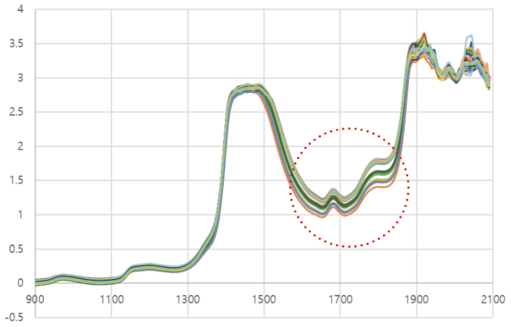
Signal variation caused by the meniscus effect
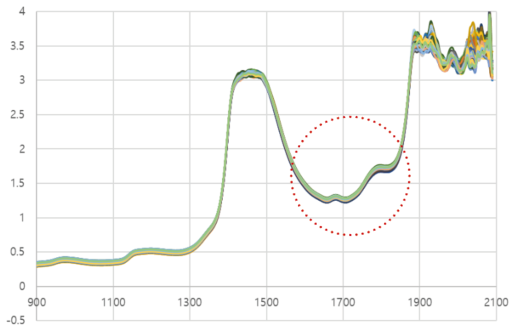
Improved reproducibility and stabilized spectra
In well-plate measurements, meniscus formation can introduce optical path variations that affect spectral stability and measurement reproducibility. To minimize these effects, the MRX N1 incorporates an optimized optical design with carefully controlled illumination and signal collection geometry, ensuring stable spectra, improved reproducibility, and reliable quantitative results across all wells.
Chemometrics-Based Quantification:
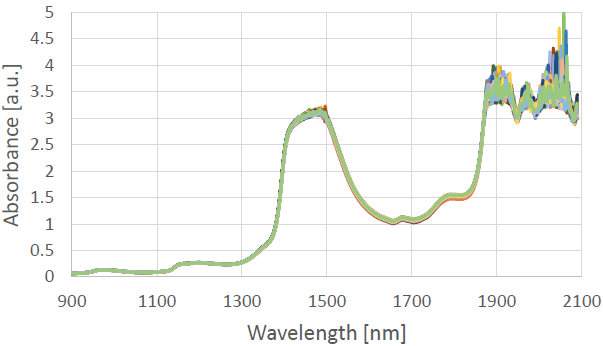
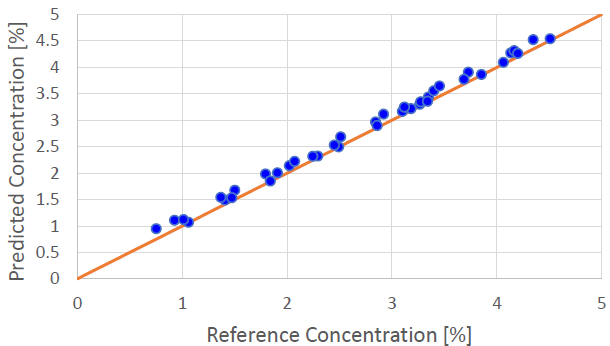
Unlike UV-Vis analysis, NIR spectra contain broad and overlapping absorption bands that cannot be interpreted using a single wavelength. By combining full-spectrum NIR data with advanced chemometric models such as PLS and OPLS, the MRX N1 enables accurate quantitative prediction and strong correlation with reference methods, even for complex sample matrices.
Integrated Modeling Workflow:

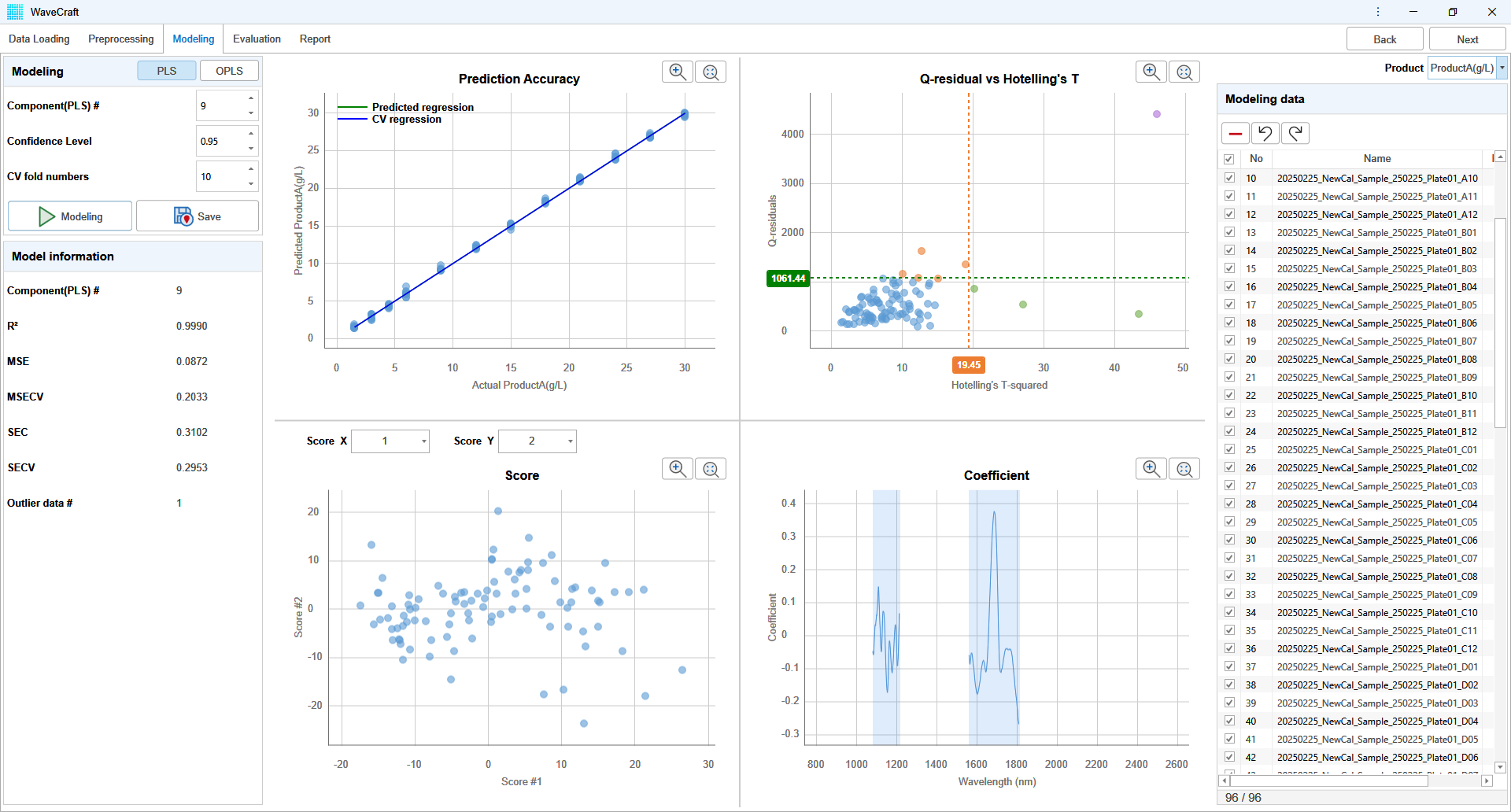
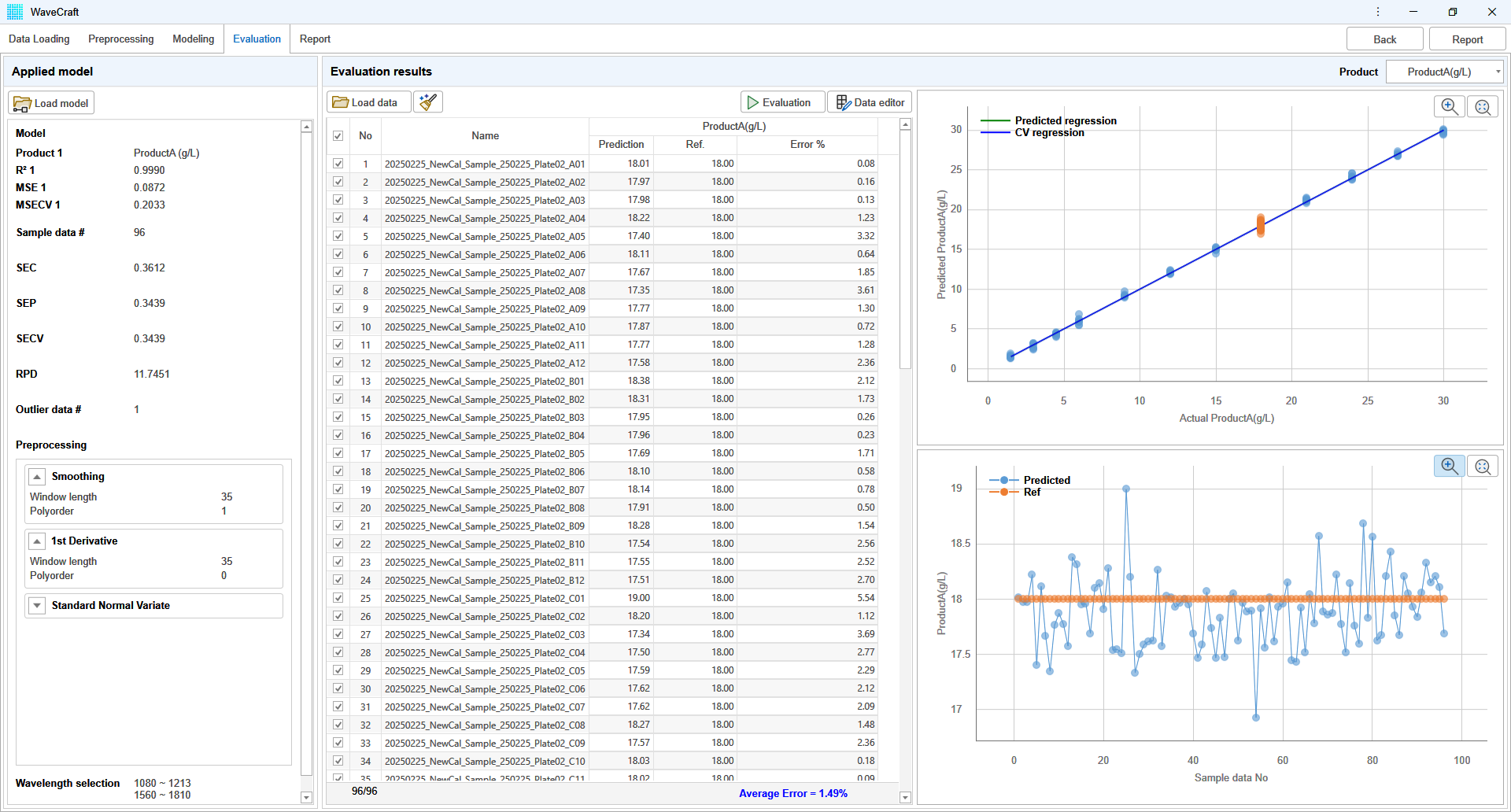
MRX N1 provides a complete chemometric modeling environment covering data preprocessing, model development, validation, and performance evaluation within a single platform. Built-in tools such as normalization, smoothing, derivative transformations, PLS, and OPLS analysis support the development of robust prediction models, while validation and statistical evaluation tools help ensure model reliability and long-term performance.
Benefits of Adopting HTS-NIR
Category
Reference(HPLC) + HT-NIR Integration
Reference(HPLC) Only
Daily Sample Throughput
18,000 samples
~ 20 samples
QC Response Time
2 seconds/sample
~ 30 minutes / Sample
Operating Cost (incl. consumable)
Over 80% reduction
100%
Analytical Efficiency
X900 improvement
Baseline
Abnormal Sample Strategy
NIR pre-screening → HPLC confirmation
Same method for all samples
Specifications
Common Specifications
Optical System
Permanently aligned, Double retro-reflector designed FT-NIR
Detector
InGaAs PIN photodiode, 2TE cooled
Wavelength range
900 – 2,500 nm (Wavenumber: 11,100 – 4,000cm-1)
Optical resolution (FWHM)
0.66 nm – 5 nm @ 8cm-1
SNR
100,000:1 @ 60s measurement
Analysis time (Spectrum)
Single well < 30 seconds / 96 wells < 2,880 seconds
A/D resolution
24-bit
Temperature (Humidity)
5-40°C (non-condensing)
Dimensions (W x D x H)
340 x 410 x 295 mm
Weight
12.1 kg
Operation
PC Software
Interface
Ethernet
Support
Downloads
Applications
Troubleshooting
-
How to separate Top cover for New POP series
How to separate Top cover for New POP series How to separate Top cover for New POP series#TS-PR1151-001 Introduction Procedure
GET A QUOTE?
Request a Quote.
Whether you’re exploring options or ready to move forward, our team is here to help. Contact your local dealer or submit a quote request and we’ll provide a competitive offer based on your specific requirements.
Trusted by leading companies: