
Determination of formaldehyde in beer
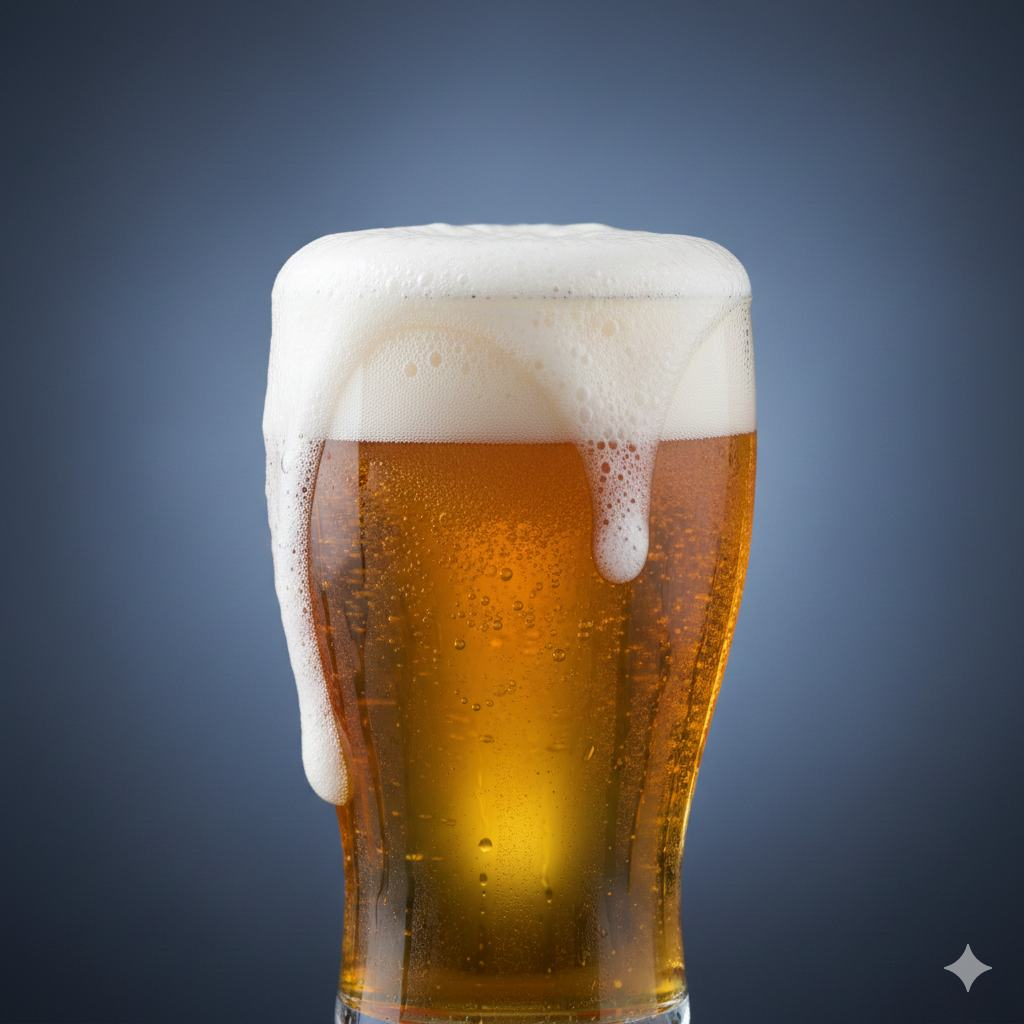
Beer is a popular alcoholic beverage due to its sedative activity, refreshing character and a typical bitter taste. However, beer suffers quality degradation over time during storage resulting in stale flavor and browning. Formaldehyde has been known to improve colloidal stability in beer, which can slow quality degradation. It occurs mainly in two ways in beer: firstly, during fermentation and the other is artificial addition. For the past few years, formaldehyde has been associated with serious health hazards (ex. Irritation in eye, respiratory tract, headache, nausea among others.). It is therefore essential to have a reliable and quick way to check the formaldehyde content in beer sample.
Introduction
Beer is a popular alcoholic beverage due to its sedative activity, refreshing character and a typical bitter taste. However, beer suffers quality degradation over time during storage resulting in stale flavor and browning. Formaldehyde has been known to improve colloidal stability in beer, which can slow quality degradation. It occurs mainly in two ways in beer: firstly, during fermentation and the other is artificial addition. For the past few years, formaldehyde has been associated with serious health hazards (ex. Irritation in eye, respiratory tract, headache, nausea among others.). It is therefore essential to have a reliable and quick way to check the formaldehyde content in beer sample.
Reagents
1. Phosphoric acid
200 g of phosphoric acid is added to 1000 mL of distilled water to prepare an aqueous solution.
2. 2,4-pentanedione
2,4-pentanedione solvent is prepared by dissolving 20 mL to 10 mL of distilled water.
3. Formaldehyde
Formaldehyde standard solution is prepared from 37 % formaldehyde stock solution.
Procedure
The steam distillation and spectrophotometry determination of formaldehyde in beer are performed according to the standard method used in China.
- The degassed beer sample (25 mL) is put into a 500 mL distillation flask followed by addition of 20 mL phosphoric acid aqueous solution into it.
- Water vapour generated from the boiling water in a flask is introduced continuously into the distillation flask to distill the sample.
- The vapour from the distillation flask is condensed and collected into a 100 mL volumetric flask immersed in a water bath.
- 100 mL of the distillate is collected before stopping the distillation process.
- 10 mL of the distillate is transferred into a 25 mL test tube containing 2 mL of 2,4-pentanedione solvent.
- The test tube is then covered and placed in a boiling water bath for 10 min to form the derivative.
- The derivative is analyzed at 352 nm with spectrophotometer.
- The reference solution consisting of 10 mL pure water and 2 mL 2,4-pentanedione solvent is used.
The calibration curve used in the standard method is constructed by mixing 10 mL different concentrations (0.05 – 2.5 µg/mL) of formaldehyde standard solution with 2 mL 2,4-pentanedione solvent. The derivatization and determination procedures were the same as those described above.
This study was supported by a grant from K LAB.
References
Ministry of Health of the People’s Republic of China. (2008). GB/T 5009.49-2008: Analysis methods of hygienic standard for fermented alcoholic beverages and their blended wines.